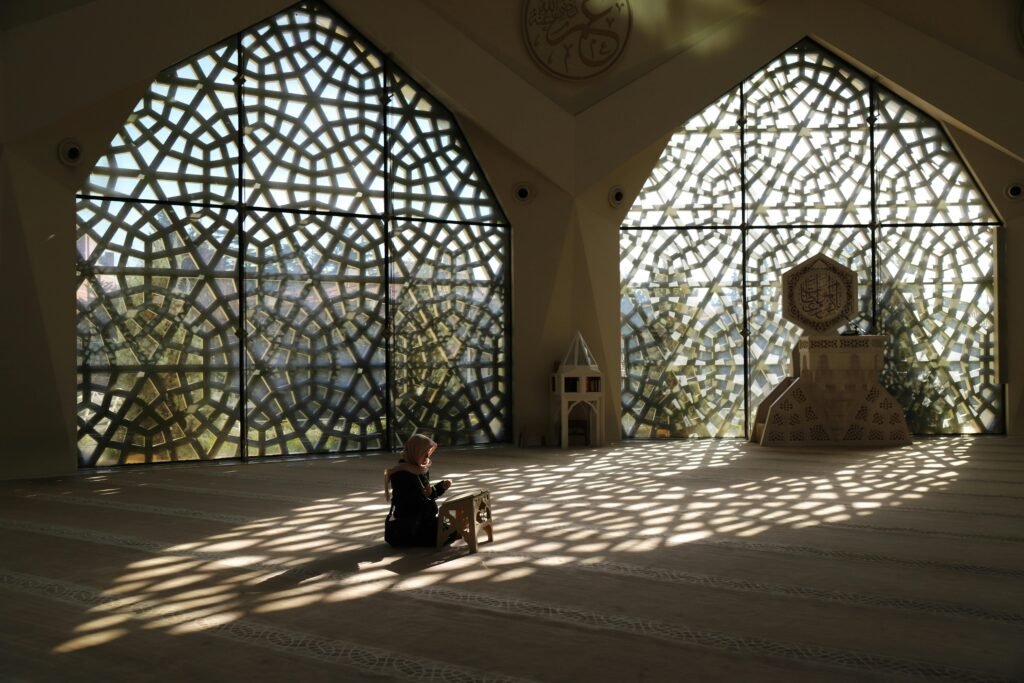
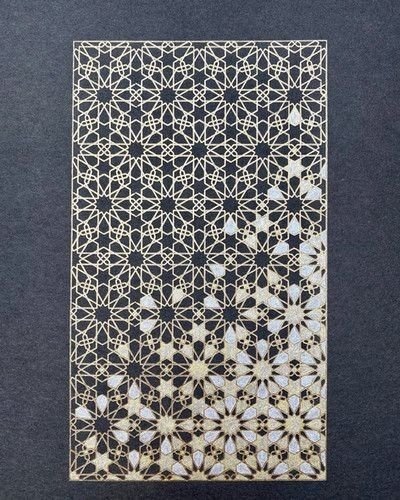
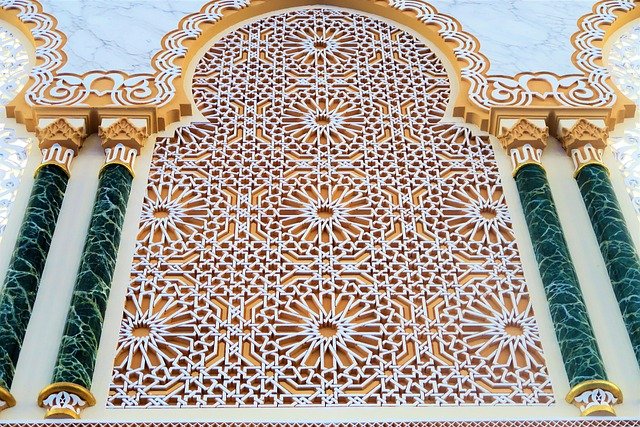
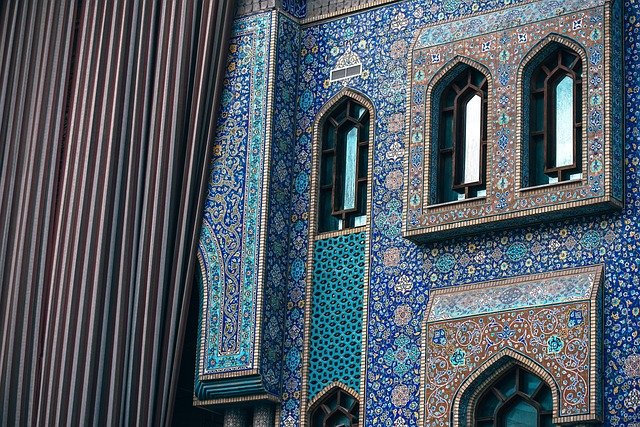
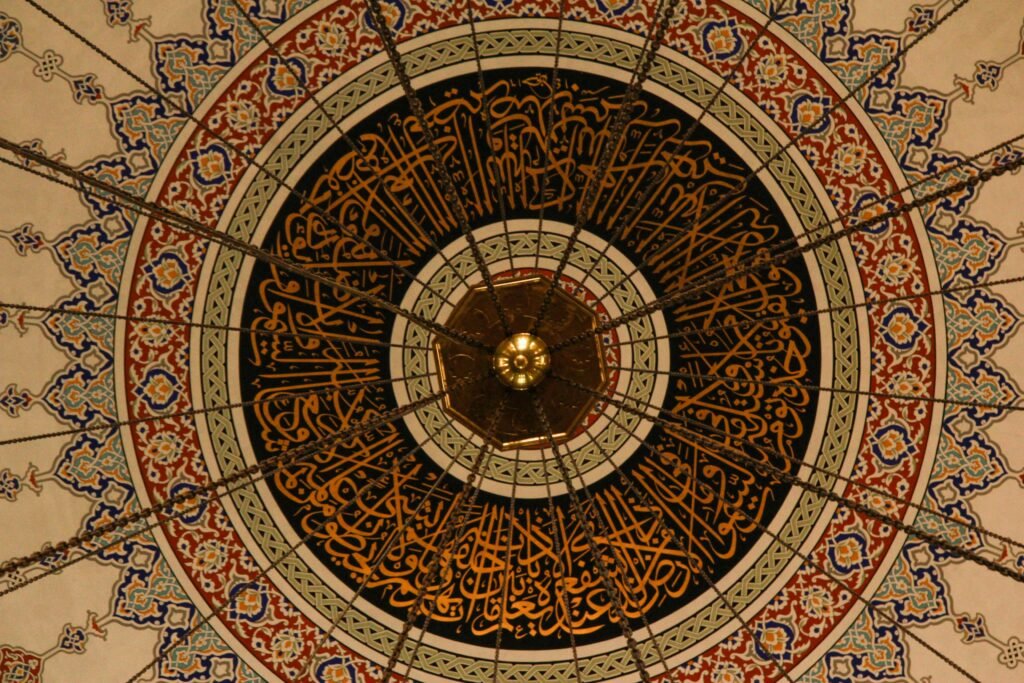
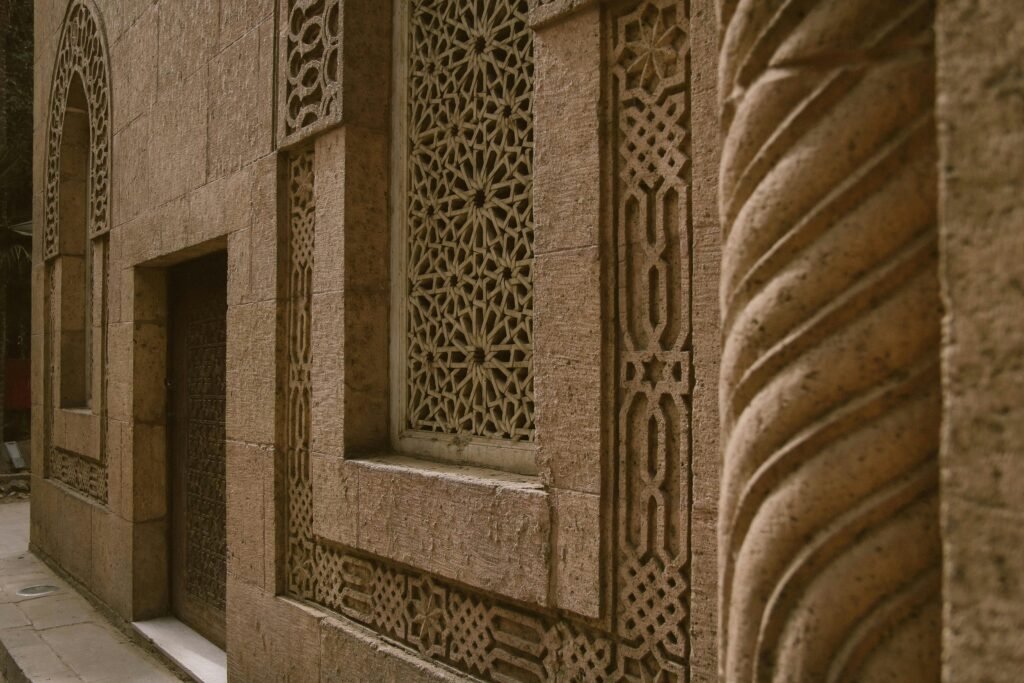
Islamic architecture may impact modern architecture in terms of its appeal. However, if you examine this appeal in its entirety, you will see that this appeal is linked to the designs of the Islamic patterns. While the preceding styles of architecture freely used images of people as well as animal sculptures in their structures to make them more attractive, the Islamic architecture had no way of using this technique. Such images were avoided in order to avoid being idolized. This led the artists among the Muslims to choose among three options: calligraphy, floral, and Arabesque designs, and geometrical designs
What is Islamic Art
Islamic art: This refers to any visual art produced by Muslim communities. Islamic art takes in a wide geographical area and a historical period that is quite lengthy. This art involves a number of genres including architecture, calligraphy, ceramics, and needlework. This is a very subjective topic that is hard to define since it involves art created by Muslim and non-Muslim people living within an Islamic society.
Islamic art is around 1400 years old; it is both religious as well as secular art. Forming religious spaces and writing religious texts is an example of religious expression. It was influenced by Roman art, early Christian art, as well as Sassanian art in the early stages of the evolution of Islamic art; there is also the presence of Chinese influences in the form of paintings, ceramics, and textiles
The Complex Allure of Islamic Designs and Methods for Crafting Them
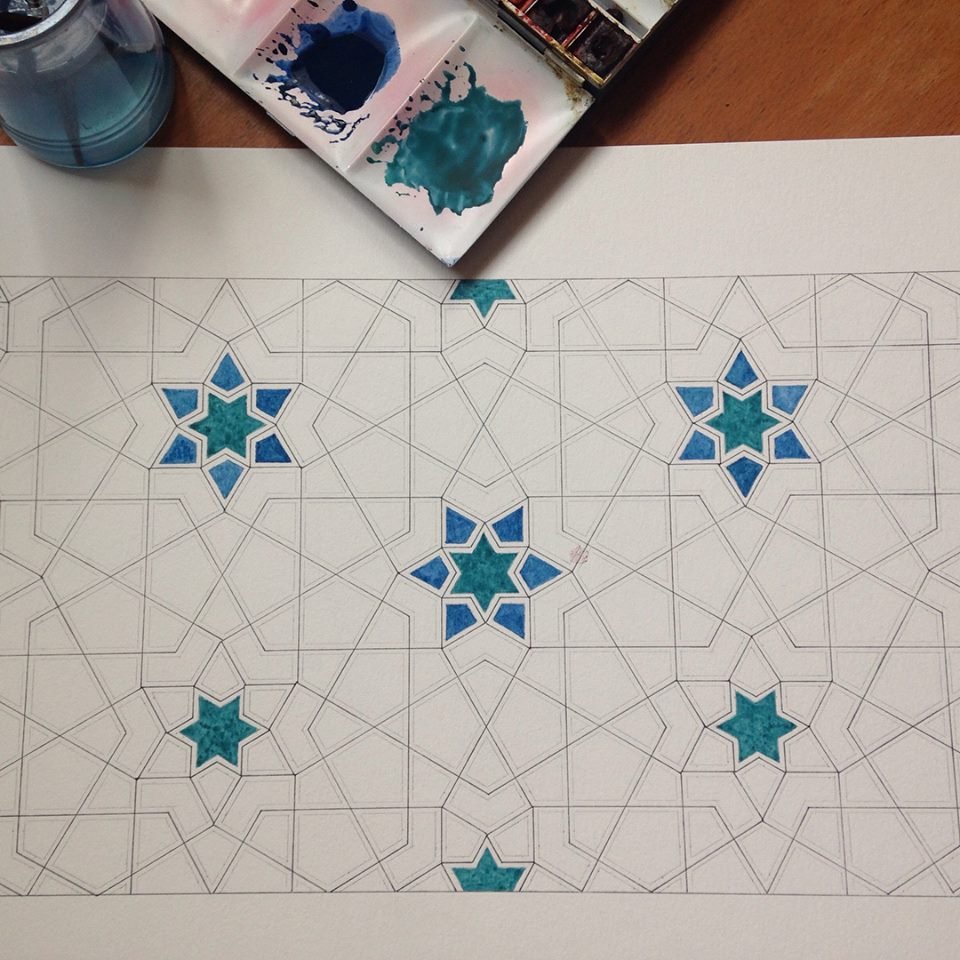
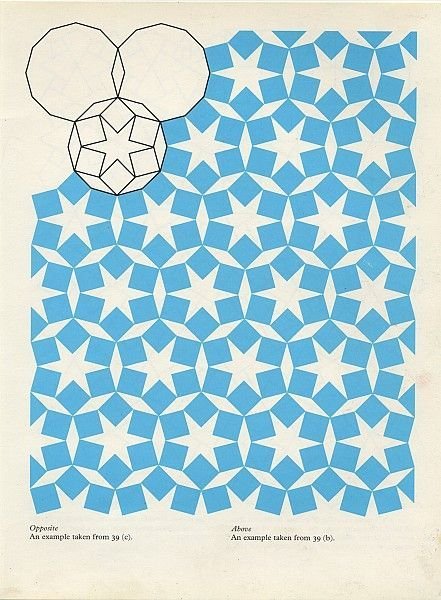
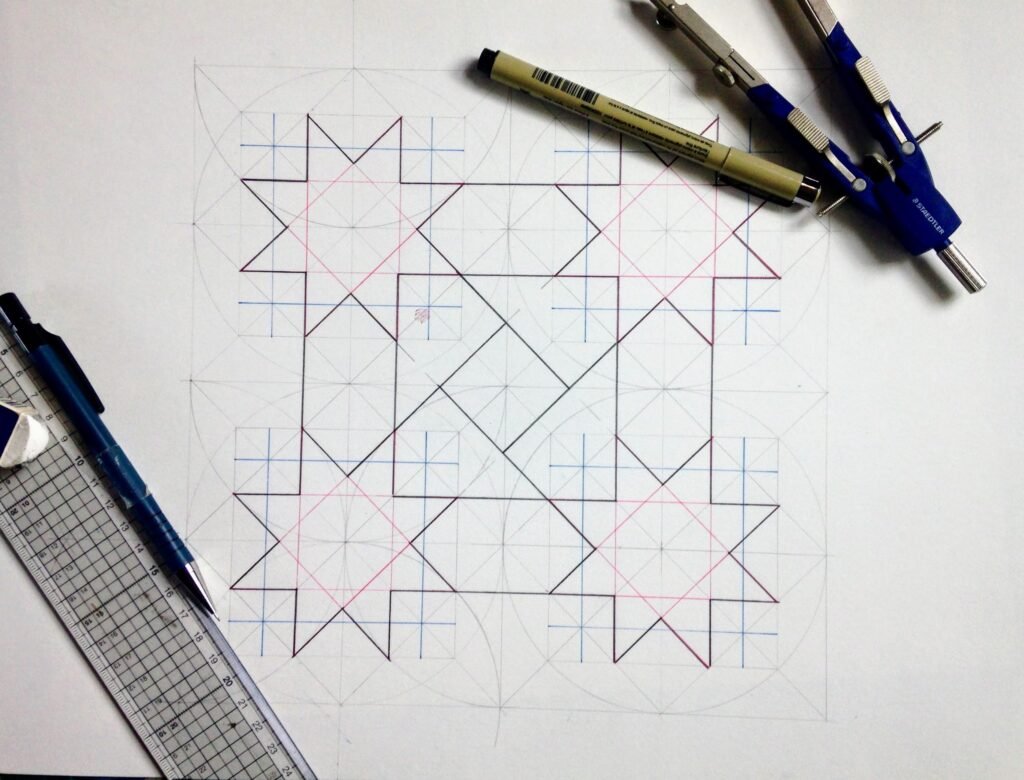
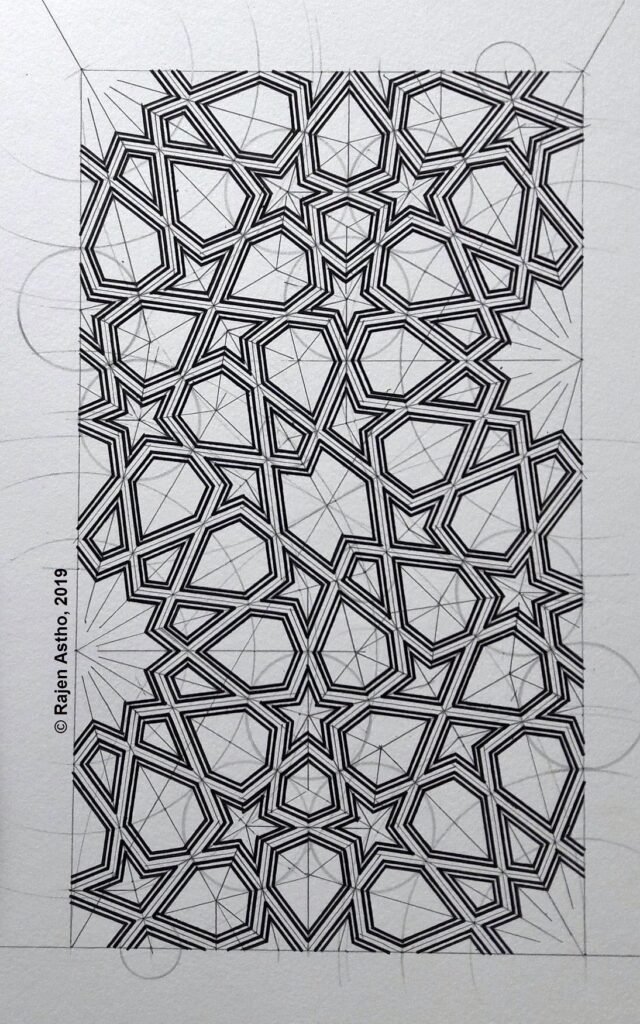
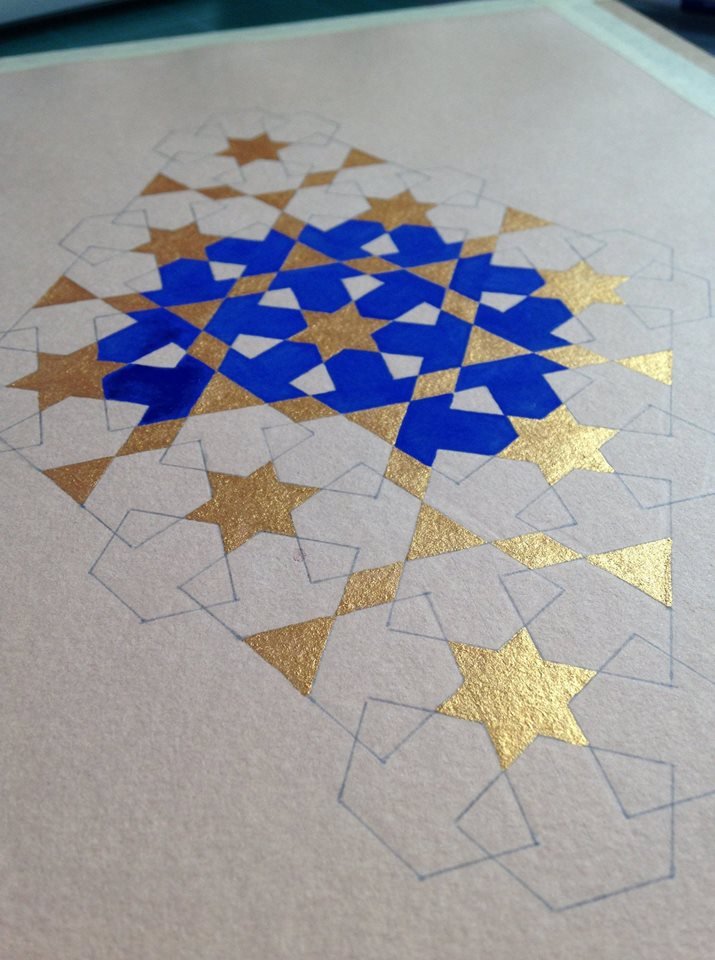
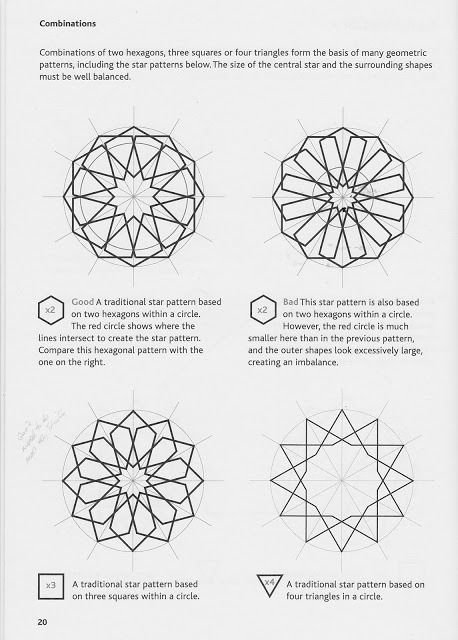
The artisans were able to design fabulous patterns with minute details using compasses and straightedge tools. They derived their inspiration from the classic Greek concepts underlying the subject of Mathematics, which they have developed into a totally different level.
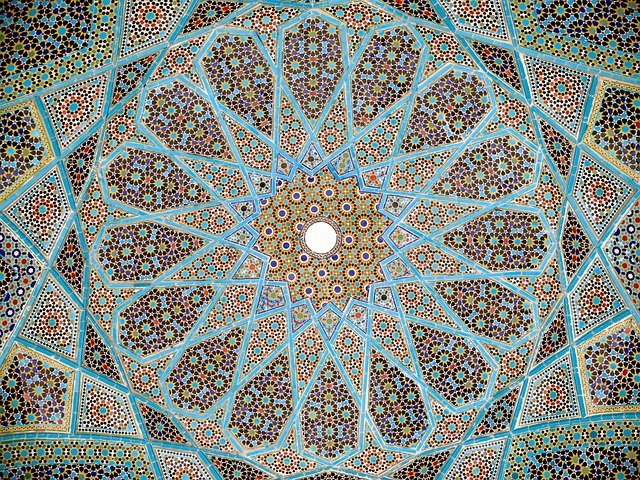
Whatever may be the complexity of the pattern, it is always based on a grid system with an accompanying sequence of repetitive lines and geometric patterns. These patterns evolved over time with regional differences. These patterns were used for the decoration of vessels, tiles, carpets, wood partitions, panels, walls, as well as ceilings.
Islamic designs continue to be adopted in different ways even to this day. These designs find usage in furniture, carpets, panels, paintings, as well as different decorative items to impart an Islamic touch to different zones. These designs are sometimes incorporated into the exterior of buildings such as mosques, different government buildings, as well as different cultural institutions.
As fascinating as you find the geometric patterns of such complex designs, why not learn how to achieve them? There are many artists around the world whose specialty is pattern designs, including geometric designs in Islamic art, to share their know-how for free to anybody wanting to learn. Here is a compilation of videos for you to learn and apply. Notice how designs come together from simple lines and curves to such complex geometric patterns as we view.
Geometric Design: Two Variations on an Islamic Tiling Pattern
Geometric Design: Generate a Motif Inspired by the Cordoba Synagogue
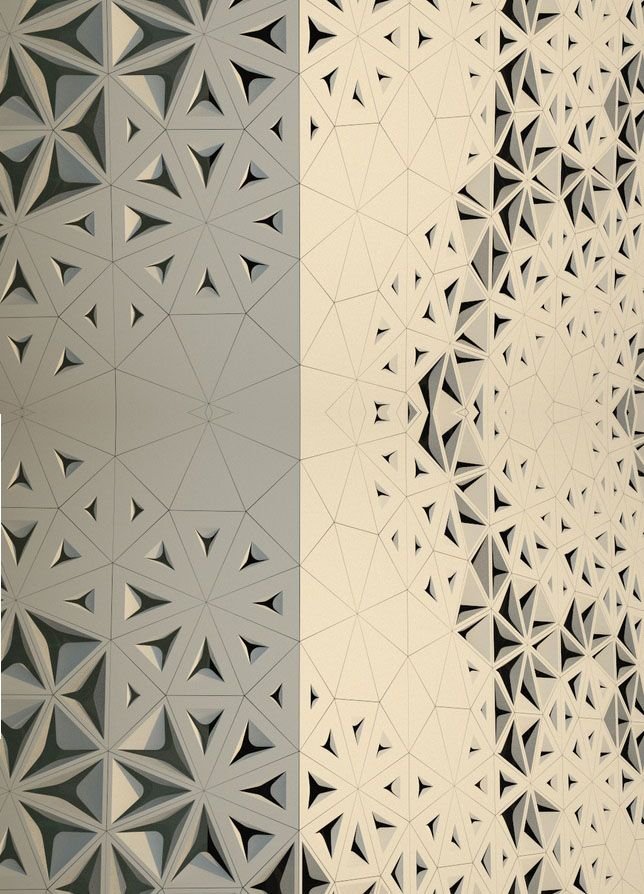
Geometric Design: Islamic Design converted to Architecture