History, by Architecture, Blog#02-a
The Stepwell of India- Rani Ki Vav
India’s Architectural Marvels

A millennium ago, stepwells were fundamental to life in the driest parts of India. Although many have been neglected, recent restoration has returned them to their former glory. Richard Cox travelled to north-western India to document these spectacular monuments from a bygone era. Water conservation structure called step wells. Stepwells originated in Gujarat and Rajasthan during the medieval period with construction peaking during Muslim rule from 11th to the 16th centuries. Beyond weather conservation they also served as sanctuaries for caravans pilgrims during the desert heat. Simple yet brilliant in design, stepwells hold many stories of the past. During the sixth and seventh centuries, the inhabitants of the modern-day states of Gujarat and Rajasthan in North-western India developed a method of gaining access to clean, fresh groundwater during the dry season for drinking, bathing, watering animals and irrigation. However, the significance of this invention– the stepwell – goes beyond its utilitarian application.
Unique to the region, stepwells are often architecturally complex and vary widely in size and shape. During their heyday, they were places of gathering, of leisure, of relaxation and of worship for villagers of all but the lowest castes. Most stepwells are found dotted around the desert areas of Gujarat (where they are called “vav”) and Rajasthan (where they are known as “baori”), while a few also survive in Delhi. Some were located in or near villages as public spaces for the community; others were positioned beside roads as resting places for travellers.
As their name suggests, stepwells comprise a series of stone steps descending from ground level to the water source (normally an underground aquifer) as it recedes following the rains. When the water level was high, the user needed only to descend a few steps to reach it; when it was low, several levels would have to be negotiated.
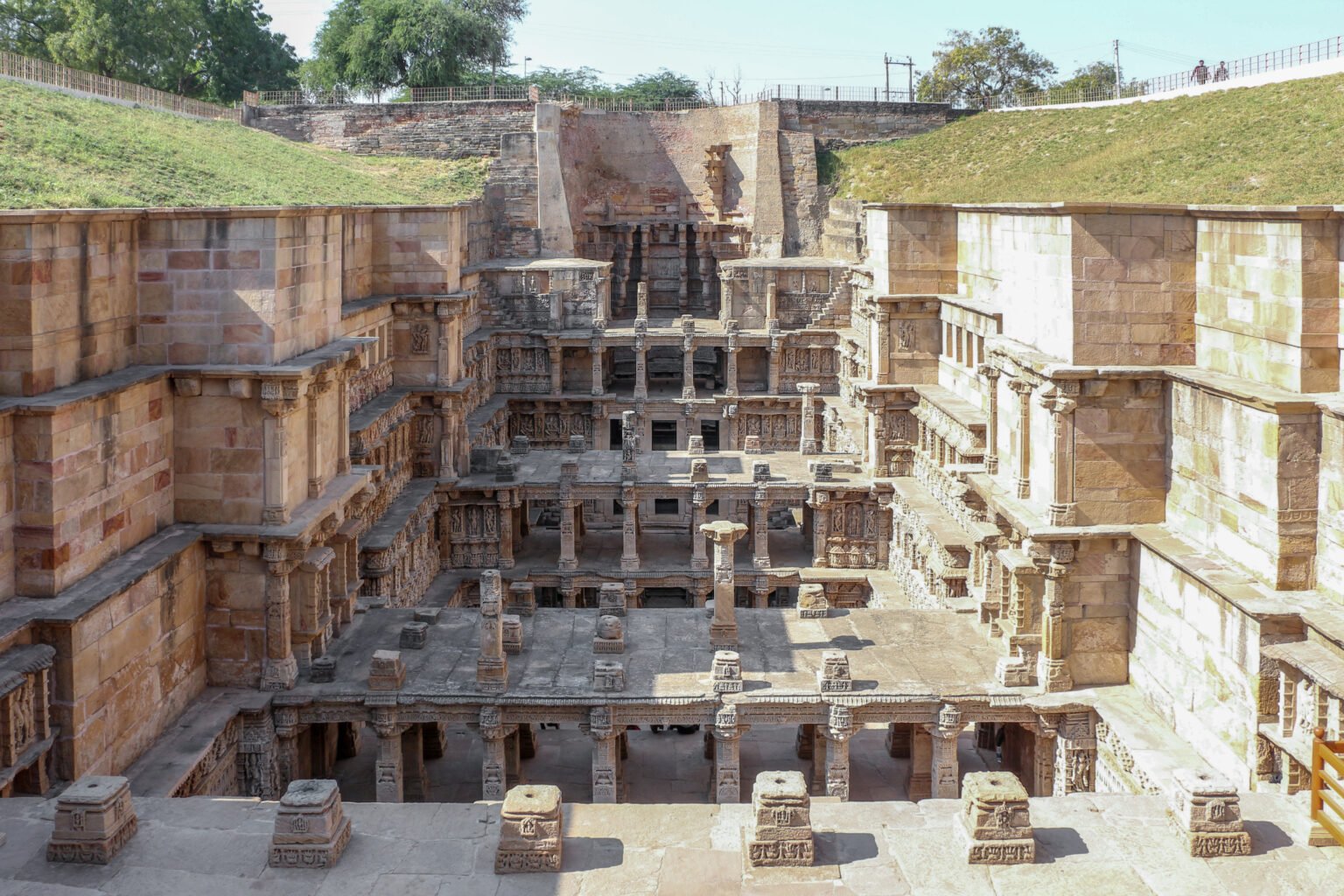
Some wells are vast, open craters with hundreds of steps paving each sloping side, often in tiers. Others are more elaborate, with long stepped passages leading to the water via several storeys. Built from stone and supported by pillars, they also included pavilions that sheltered visitors from the relentless heat. But perhaps the most impressive features are the intricate decorative sculptures that embellish many stepwells, showing activities from fighting and dancing to everyday acts such as women combing their hair and churning butter.
Down the centuries, thousands of wells were constructed throughout northwestern India, but the majority have now fallen into disuse; many are derelict and dry, as groundwater has been diverted for industrial use and the wells no longer reach the water table. Their condition hasn’t been helped by recent dry spells: southern Rajasthan suffered an eight-year drought between 1996 and 2004.
However, some important sites in Gujarat have recently undergone major restoration, and the state government announced in June last year that it plans to restore the stepwells throughout the state.
Rani Ki Vav
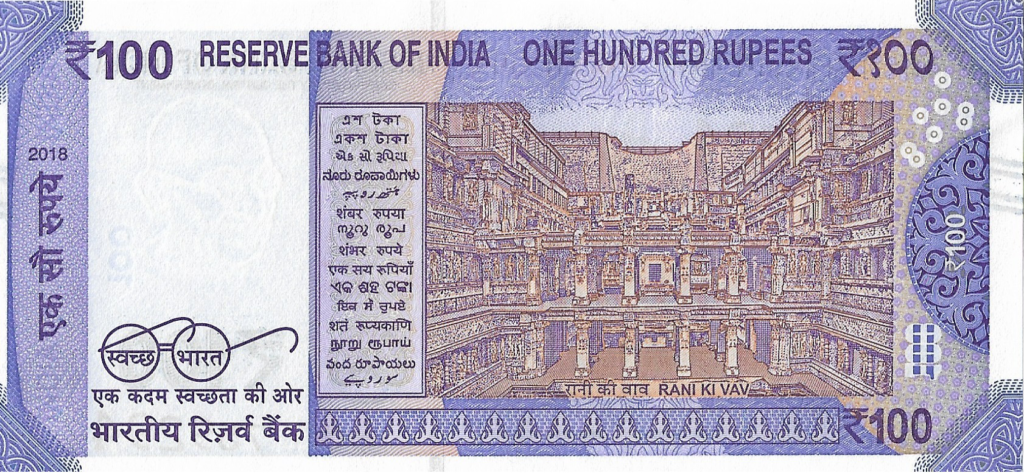
In The Indian 100 rupee, you might see a pillared structure but never knew that it is a UNESCO Heritage site located in Gujrat, India. A structure made during the 11th century in the memory of a beloved husband of Queen Udayamati was never destined to become a historical monument! From being a public service stepwell to a historical heritage journey is mesmerizing.
Brief History
In Patan, 120 kilometers from Ahmedabad the state’s ancient capital, the stepwell of Rani Ki Vav (Queen’s Stepwell) is a UNESCO heritage site, perhaps the finest current example. The place originally known as Anhilwara Patan, It was the ancient capital of the Solankis. It was a great place for treading because the current Arabian sea is nearby. Over a thousand years ago, caravans traded routes carrying silk from China. This Slink found its way to Patan and the famous Patan Patola design was created.
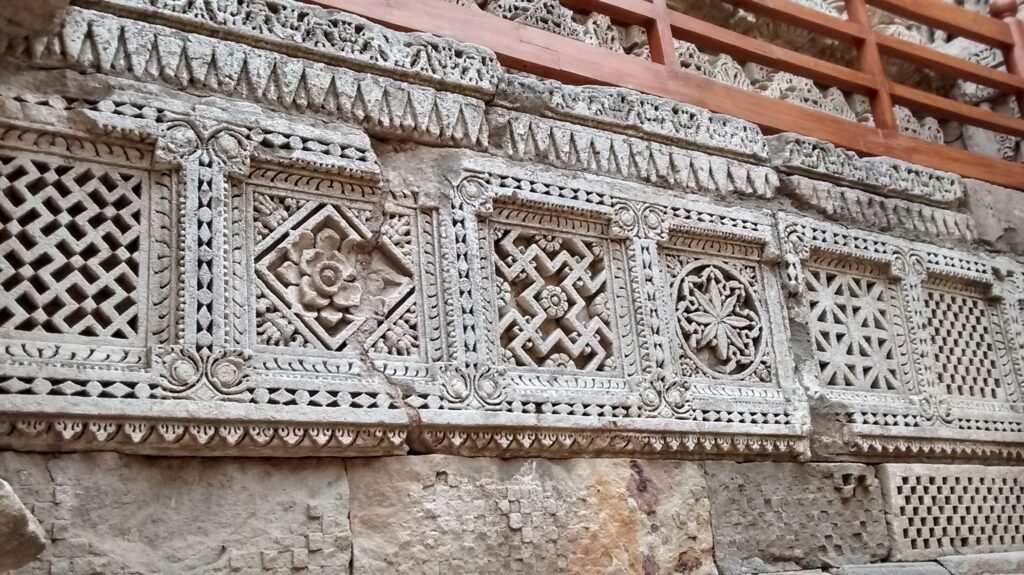
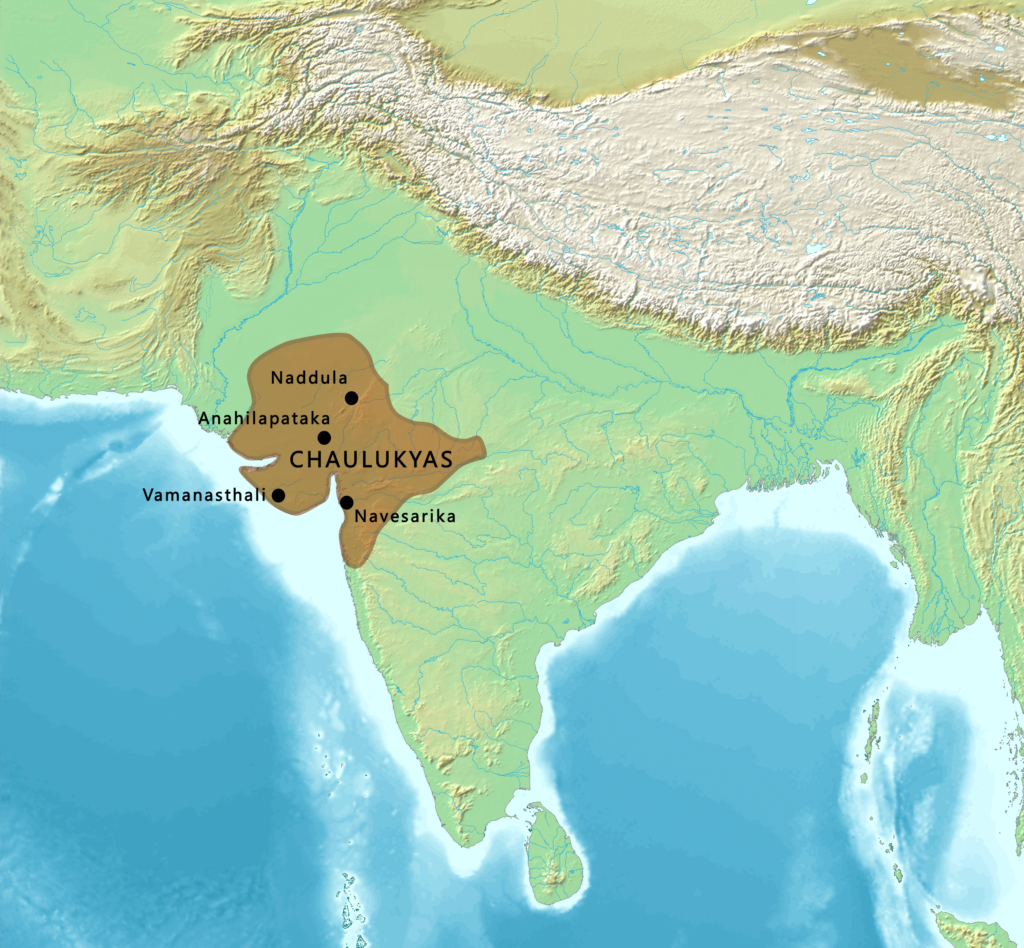
This thousand year old design appears on the walls of Rani ki Vav. During the late 11th century, most probably in 1062 and it took about 20 years to build. , but became silted up following a flood during the 13th century. But the Archaeological Survey of India began restoring it in the 1960s, and today it’s in pristine condition.The stepwell was built in 1063 by Rani Udayamati of the Chaulukya Dynasty to commemorate her husband, Bhimdev I. A 1304 composition of Jain monk, Merutunga, mentions that Udayamati, the daughter of Naravaraha Khangara, built this stepwell at Patan. The same composition also mentions that the stepwell was commissioned in 1063 and was completed after 20 years. Archeologists Henry Cousens and James Burgess visited it in the 1890s when it was completely buried under silt and only the shaft and few pillars were visible. The stepwell was rediscovered in the 1940s, and the Archeological Survey of India restored it in the 1980s. The stepwell has been listed as one of UNESCO’s World Heritage Sites since 2014.
Architecture- Inverted Temple
Many believe that she created not just a well but a place of worship where the deity itself was water some say that the queen created a temple except mysteriously enough hers was inverted in fact if you really look at Riki wav it is an inverted Shikara of a temple 1,000 years after it was built Rani udati stepwell has become a symbol of Pride for Modern India.
Material
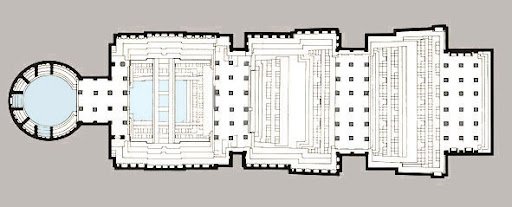
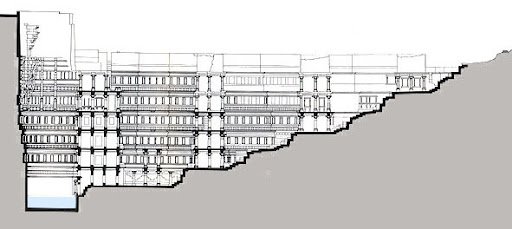
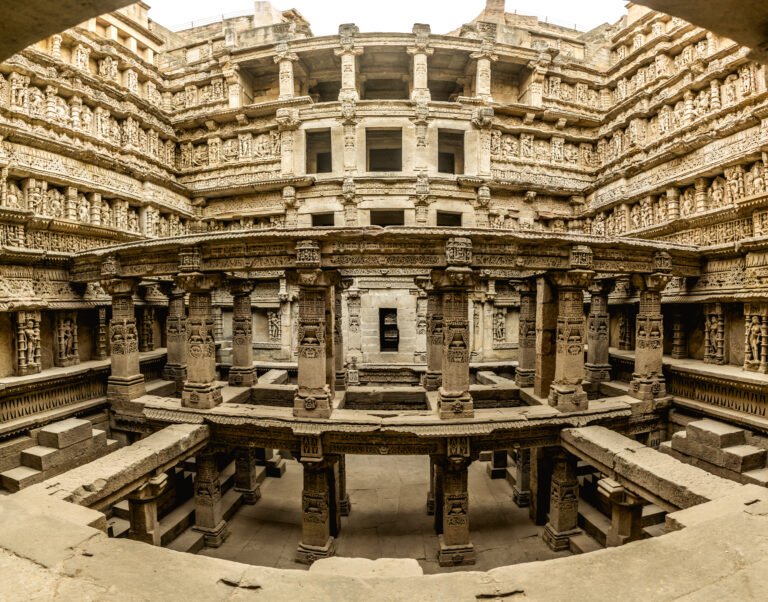
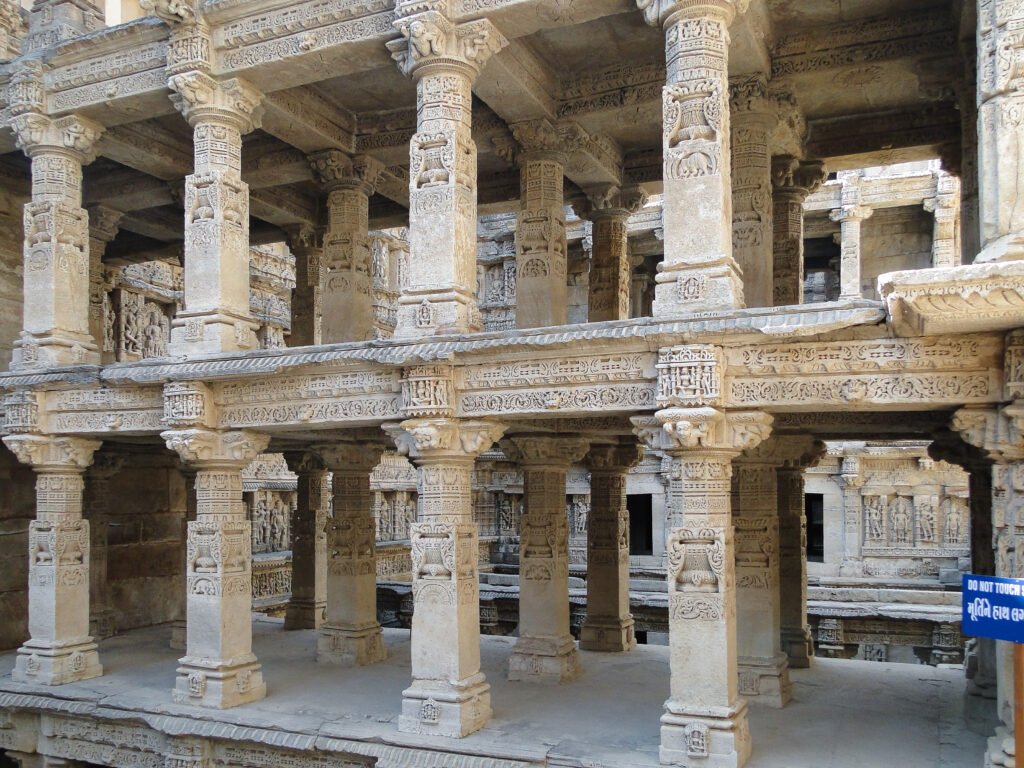
The structure was built in the Maru gurera style of architecture no cement or binding material is used anywhere every stone is joined with the other with interlocking pieces of wood it was divided into a series of steps leading to the water level at one end and a cylindrical well on the other what is really unique about it is the depth that it goes to the various levels that have been created there are seven pillared floors out of an original 292 pillars 226 still stand many fully intact some of the colonnades have been lost to time but the remaining ones given an insight into the clever design they were built not just for respite from the desert heat but also to reduce the rate of evaporation.
The Sculptures
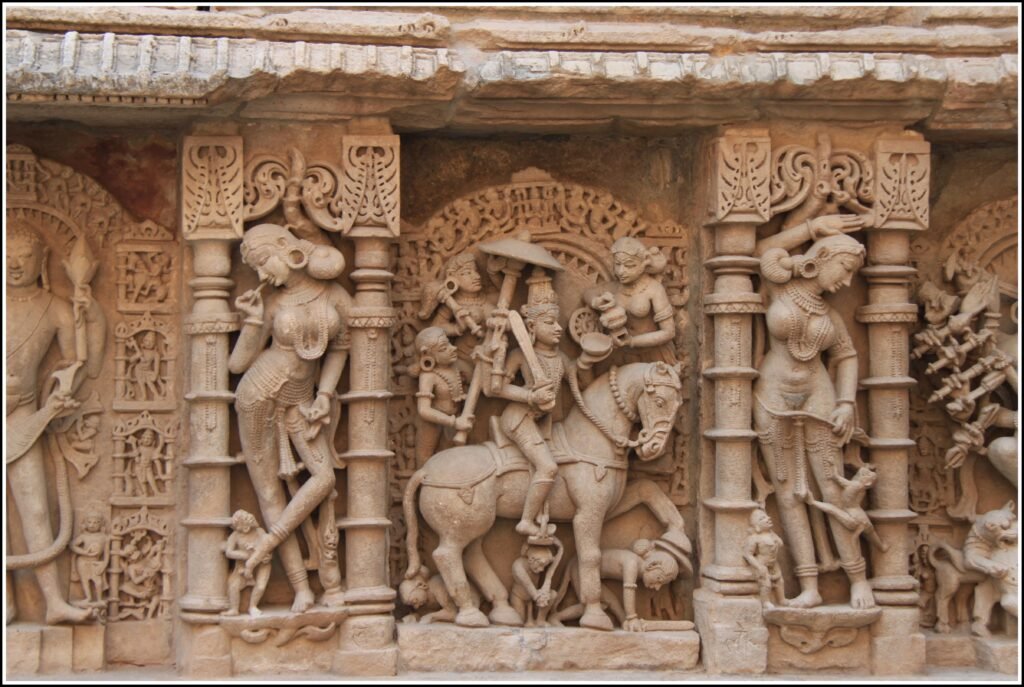
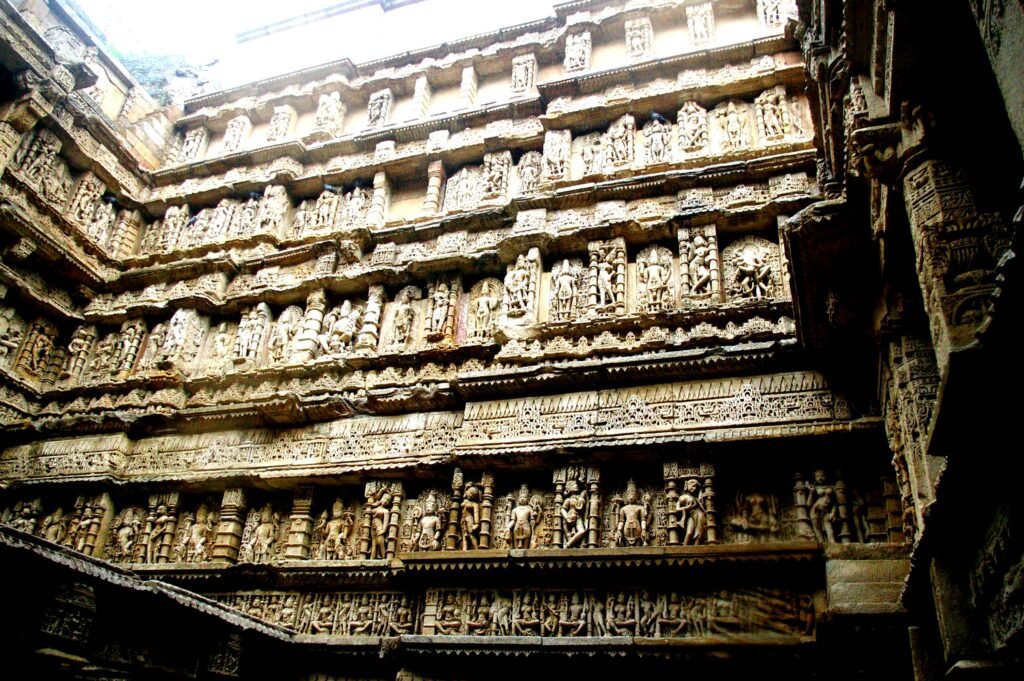
At 65 metres long, 20 metres wide and 27 metres deep, Rani Ki Vav features 500 distinct sculptures carved into niches throughout the monument and 1000 more which are minor ones, depicting gods such as Vishnu and Parvati in various incarnations.
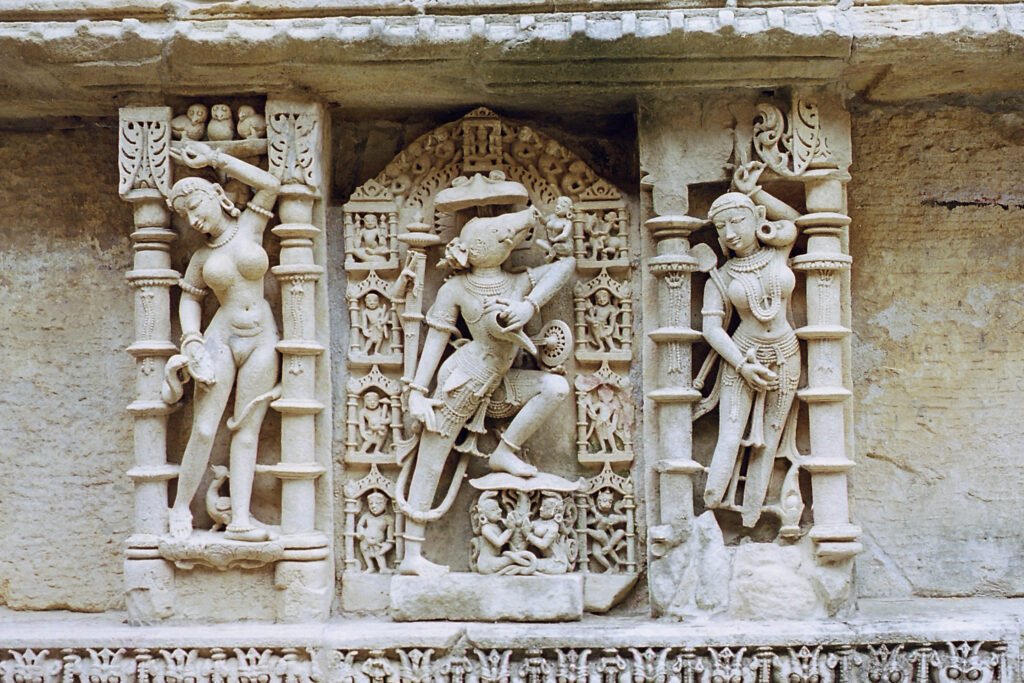
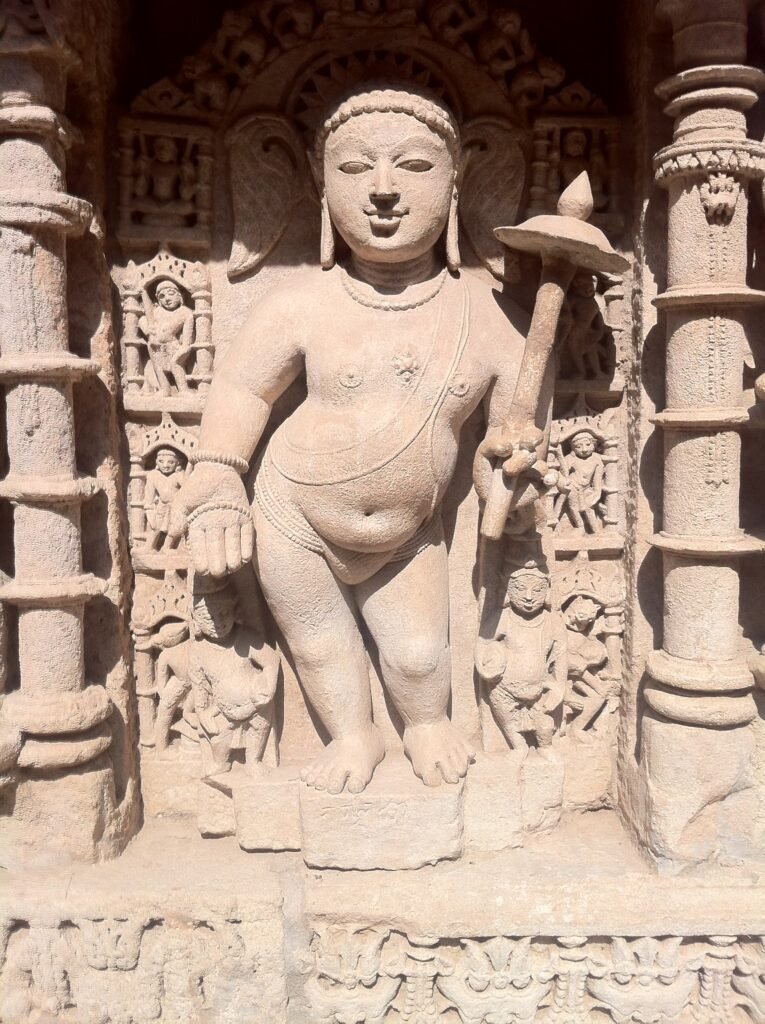
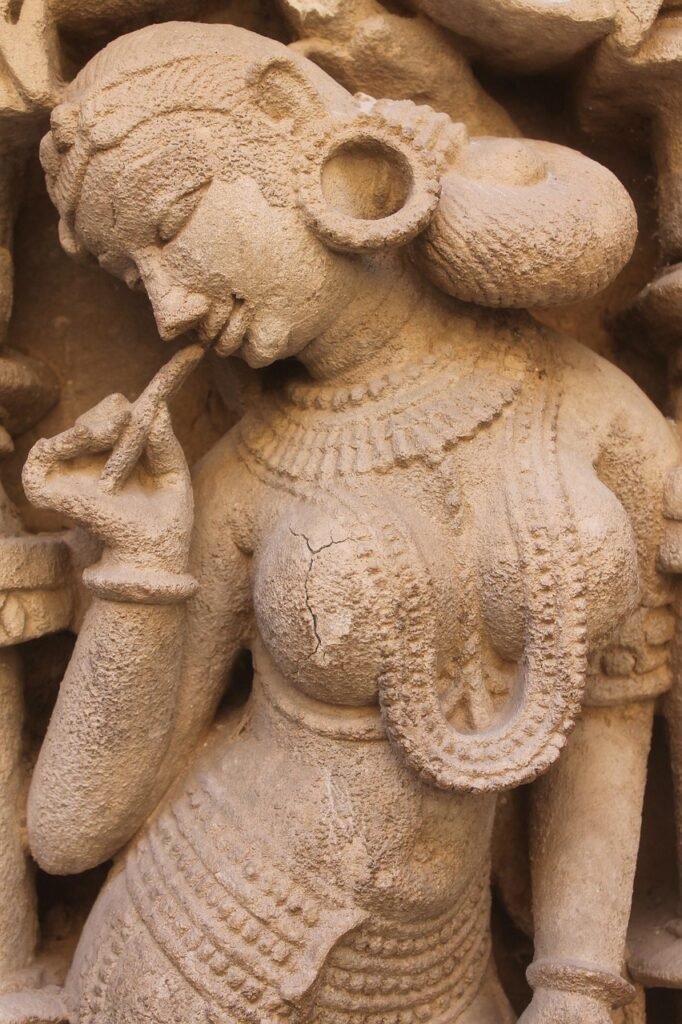
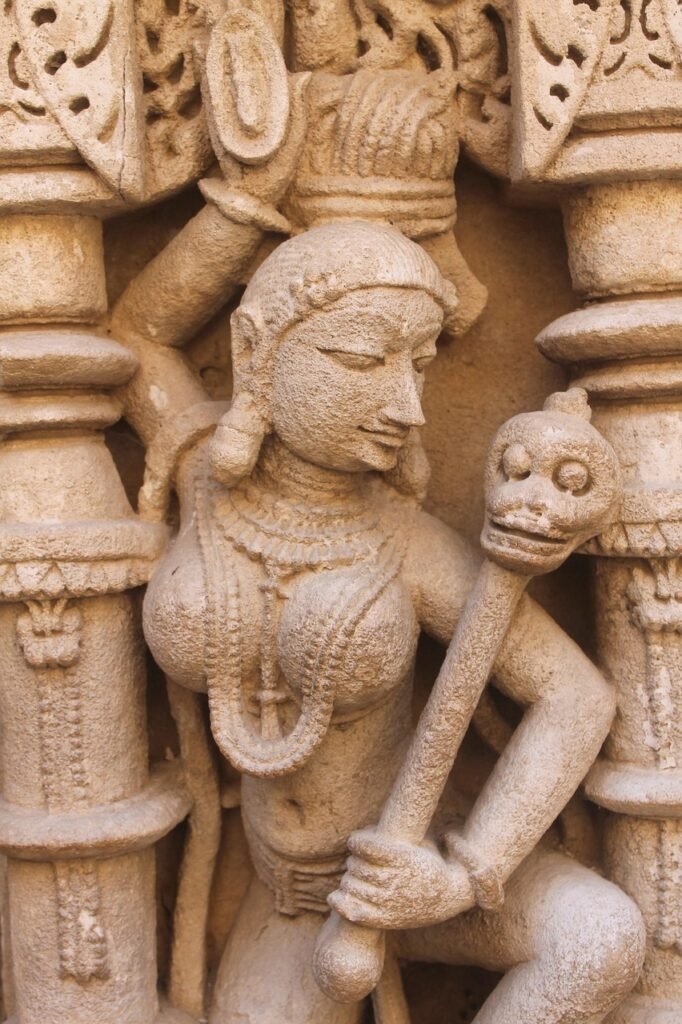
Among the magnificent sculptures, a female form stands out. This aesthetic is clearly inspired by Shringer, the art and aesthetic of beautification. This art form of femininity has been celebrated by Indians for centuries. A Woman arches her back with sensual grace, another color her lips. Beauty and sensuality have been frozen in time
Architectural style.
The Pillars and the Patterns
Steps lead down through multiple levels with lines of curved pillars and the sculptures represent religious secular and mythological imagery with incredible geometric patterns. A walkthrough into this stepwell one would see ancient civilization. The entire monument is covered with curbing, sculpture and ornamentation covering Indo-Islamic architectural designs. In January 2001, this ancient structure survived a devastating earthquake that measured 7.6 on the Richter scale.
The Mechanism
In the 11th century water scarcity was already a severe problem here the sarasti that the locals worried had all but gone. The remains of an elaborate water harvesting system near rani ki vav tell a unique story. sahr Ling talav named for the Thousand shivlings that are believed to have once stood here this existed before and a bird’s eye view reveals how sophisticated hydrology took Center Stage. Over a thousand years ago in the rainy season water was channelized from the Saraswati River the harvested water then flowed through deep trenches and collected in the rudra Koopa a filtration Reservoir 40 m in diameter. Here the silt in the water would settle the clean water would flow onwards an ingenious system very similar to 21st century Canal works the water management and storage system replenished the water table aiding rani ki vav and other wells in the area.
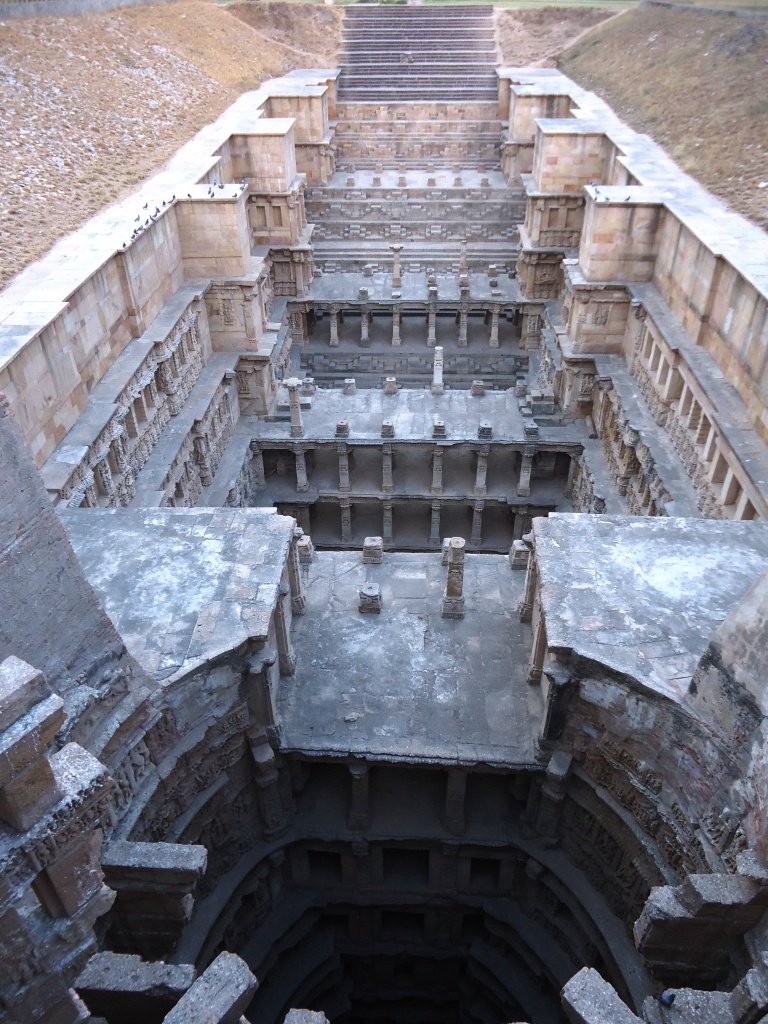
In the dry land of Patan, Rani ki Vav is a symbol of being alive as it was monumented through a love story and its functionality which is providing water in a cook and calm temperature. This is the celebration of Love!