Megha-Structure, Blog #05
Burj Khalifa
World's tallest building
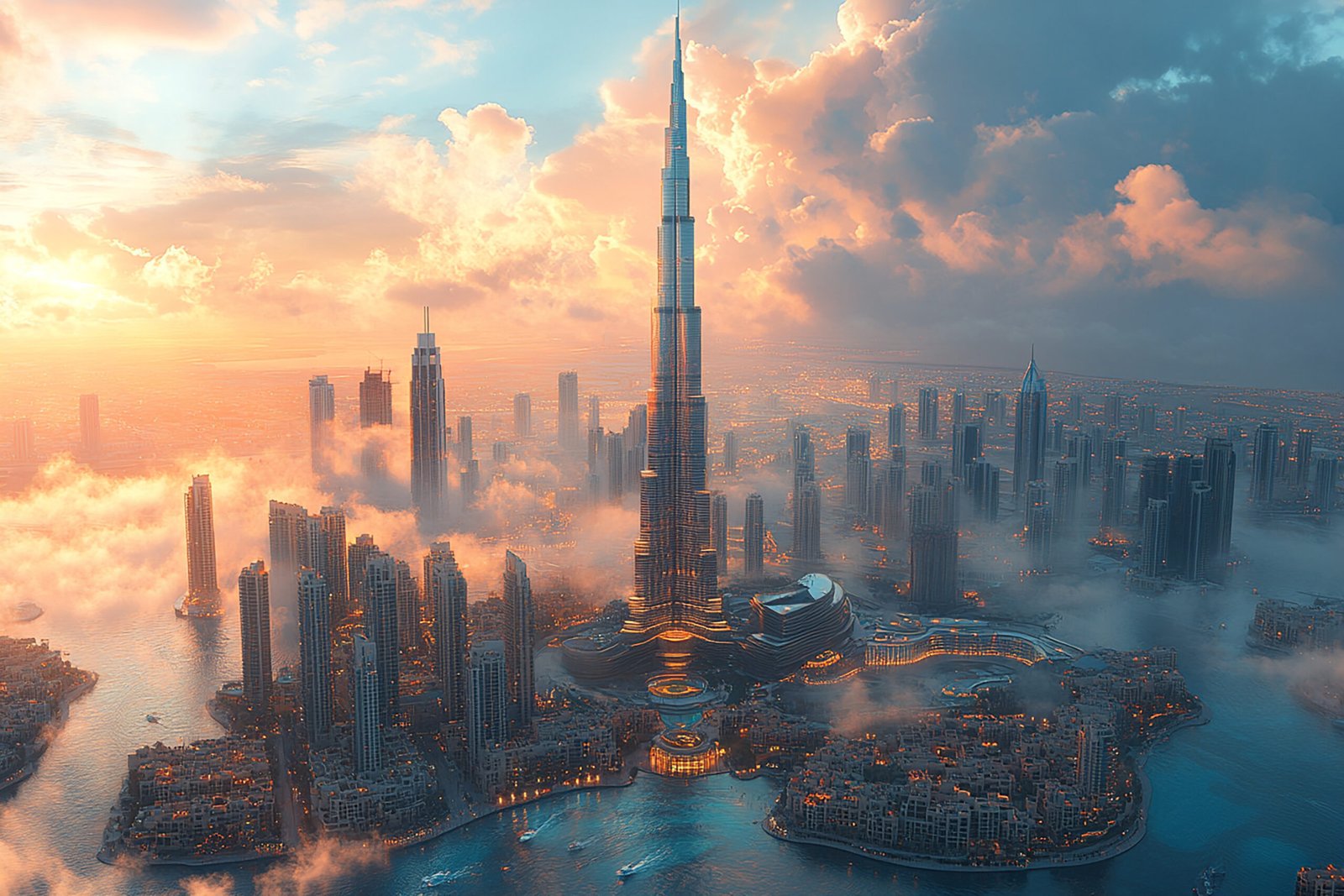
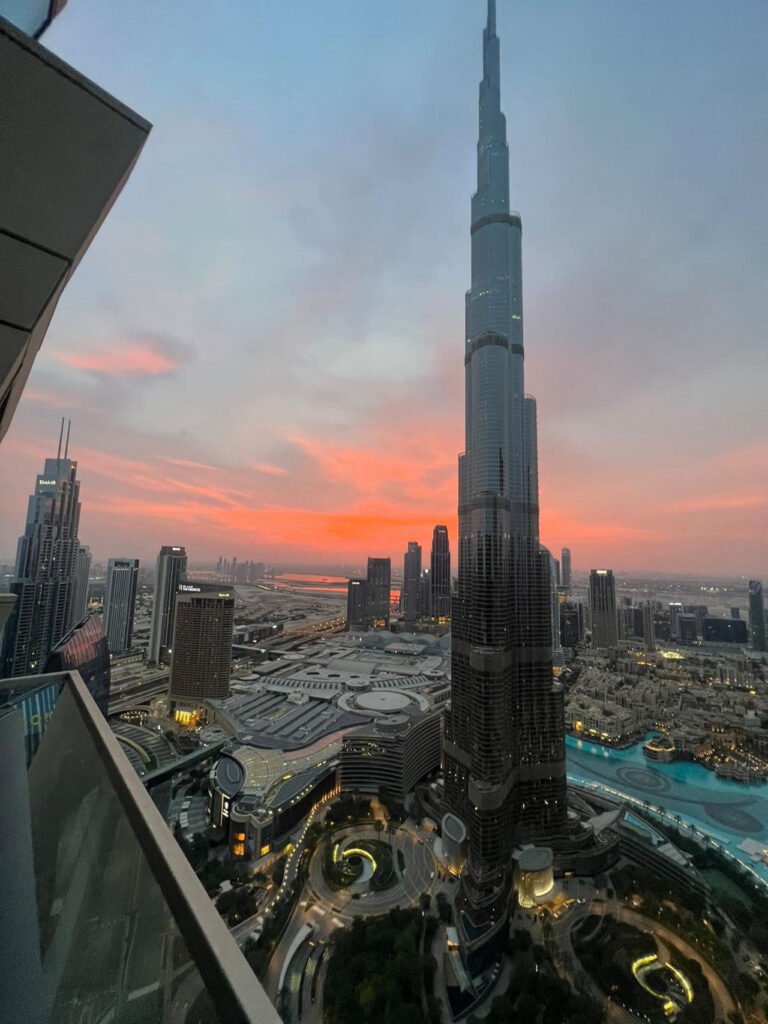
The Burj Khalifa stands as one of the most iconic achievements in modern engineering, symbolizing innovation, ambition, and architectural excellence. Rising dramatically above the Dubai skyline, it holds the title of the tallest structure ever built by humans. The story behind its creation is not just about height, but about vision, persistence, and cutting-edge technology. Understanding the making of the Burj Khalifa reveals how a bold idea became a global landmark that redefined urban development.
From its initial concept to its grand unveiling, the construction of the Burj Khalifa involved international collaboration, advanced materials, and groundbreaking engineering techniques. It reflects Dubai’s transformation into a global hub for tourism, business, and design, attracting millions of visitors each year.
The Vision Behind the Burj Khalifa
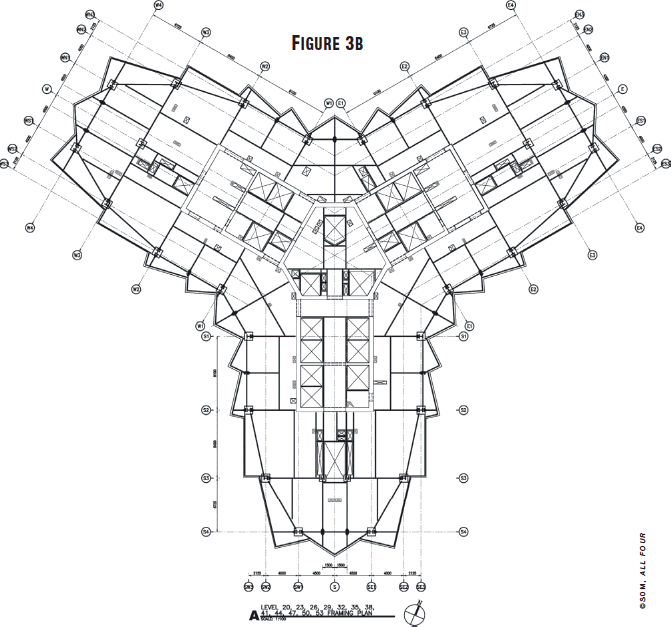
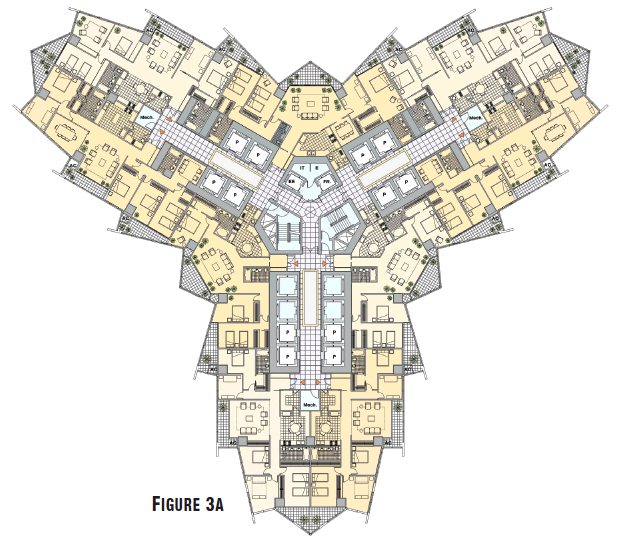
The origin of the Burj Khalifa began with a desire to position Dubai as a leading global city. Emaar Properties, the project’s developer, envisioned a structure that would not only break records but also redefine architectural possibilities. The goal was to create a centerpiece that would attract investment, tourism, and international attention. The design was inspired by Islamic architecture and natural forms. The tower’s layout mimics the shape of the Hymenocallis flower, with a central core and three extending wings. This design was not purely aesthetic—it provided structural stability, allowing the tower to reach unprecedented heights. The decision to build the world’s tallest building was both ambitious and risky. However, it aligned with Dubai’s broader strategy of rapid development and global branding, making the Burj Khalifa a centerpiece of that vision.
Design and Architecture
Innovative Structural System
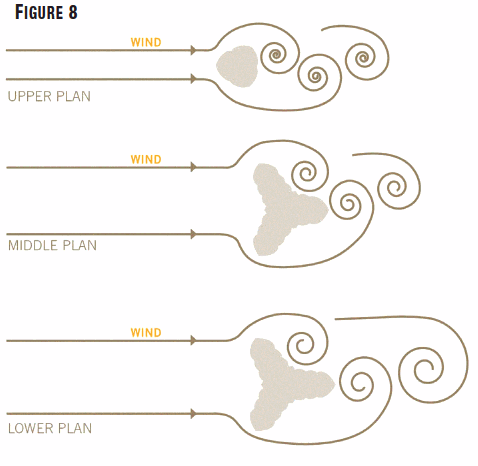
The Burj Khalifa’s structural system, known as the “buttressed core,” was a revolutionary advancement in skyscraper design. This system consists of a hexagonal core reinforced by three buttresses that support the structure as it rises. It allowed engineers to create a building that could withstand extreme wind forces and seismic activity. The spiraling design reduces wind vortex shedding, a common challenge in supertall structures. By staggering the building’s setbacks, engineers minimized wind pressure, ensuring stability and safety.
Architectural Excellence
Designed by Skidmore, Owings & Merrill (SOM), with Adrian Smith as the lead architect, the Burj Khalifa combines form and function seamlessly. Its sleek, tapering silhouette enhances its visual impact while optimizing structural efficiency. The building’s exterior is clad in reflective glazing, aluminum, and textured panels, designed to withstand extreme desert temperatures. The façade not only enhances durability but also reduces heat absorption, improving energy efficiency.
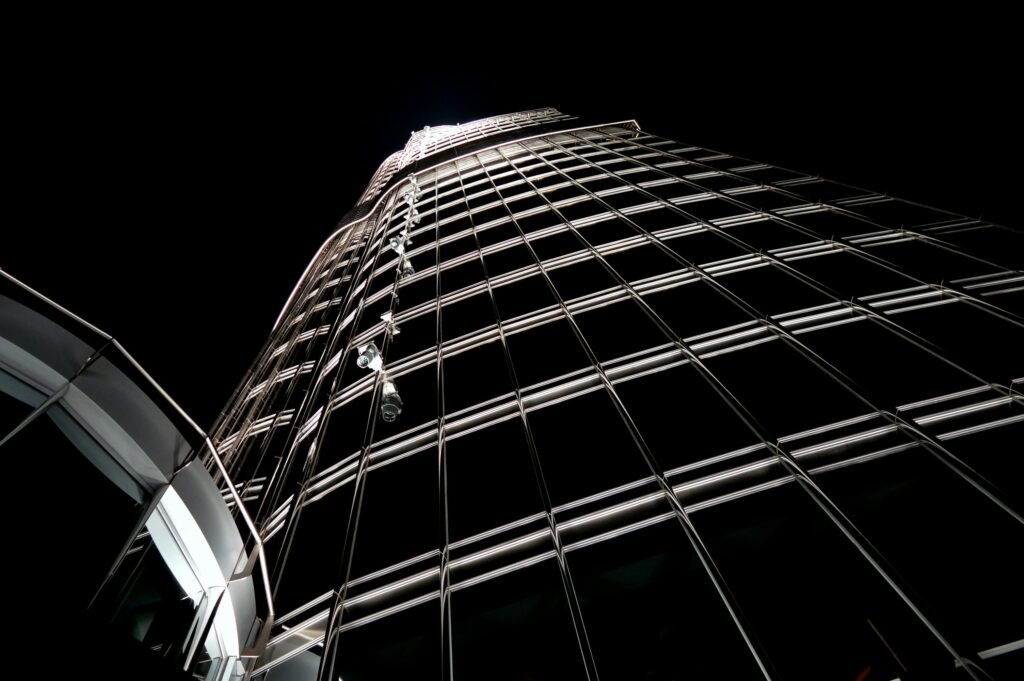
A GLASS CURTAIN
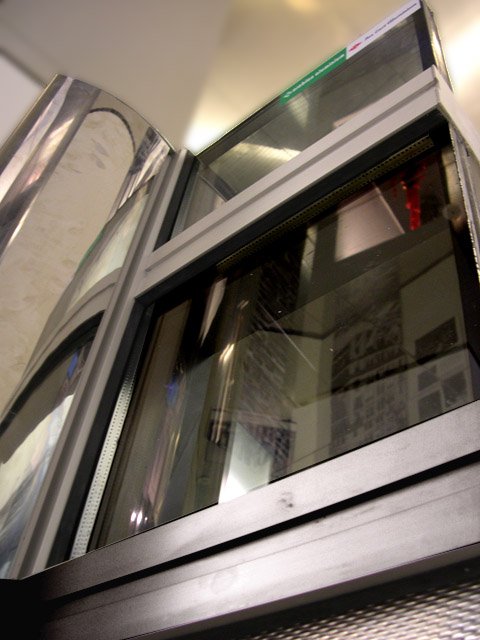
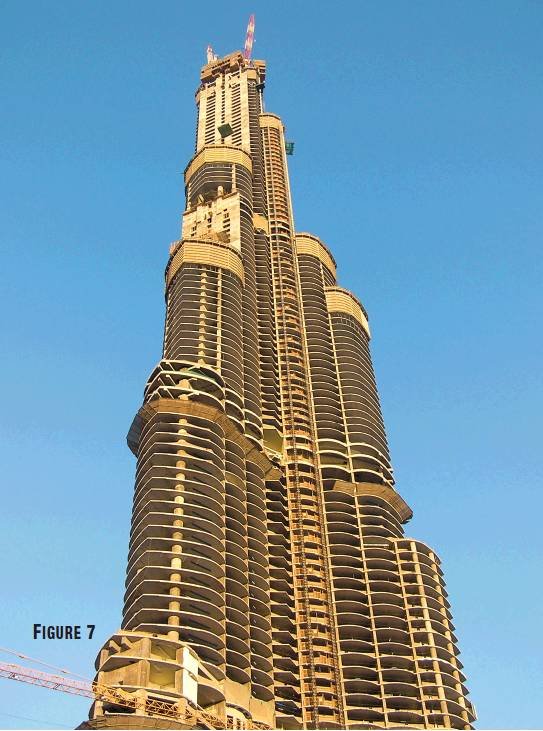
Burj Dubai will eventually be a palace of glass, with floor-to-ceiling windows. As of May 2007, a delay in the fabrication and installation of the building’s curtain wall has created the extraordinary sight of a 100-story concrete frame with no exterior cladding.
The typical curtain wall panel is constructed of extruded aluminum mullions with a natural silver anodized finish, polished stainless steel external mullion cover/fin, patterned stainless steel spandrel panel with insulated back-up, and high performance insulated glass. The high-performance glass is an insulating unit consisting of two pieces of clear glass with a 16mm air space. The outer panel has a silver metallic coating deposited on its inner surface, and the inner pane has a metallic low-emissive type coating, also facing the air space. The combination of the coatings results in a glass that allows more than 20% of the visible light into the building and floor-to-ceiling views while allowing less than 16% of the associated heat, an important feature in the strong light and extreme desert climate of Dubai.
FAÇADE MAINTENANCE
Once the curtain wall is in place, mechanical “building maintenance units” (BMUs) will assist in the maintenance of the facade. Developed by Lerch Bates Facade Access, the system utilizes architectural elements of the building to provide tracks for its machines.
Once engaged with the external pipe tracks, the BMU is driven horizontally to the desired work position. The boom is then luffed forward to permit the work platform to reach the façade. The workers descend, cleaning as they travel. The work platform is able to travel around the curve of a setback or balcony with the use of the telescopic and luffing boom and rotatable spreader bar. During all vertical travel and set back negotiation, the work platform is restrained to prevent blowing away from the façade.
In addition to large-scale illustrations and a sample of a section of the curtain wall, an animated video of the Lerch Bates system and an eight-minute short documenting curtain wall testing are on view in the gallery.
CONSTRUCTING THE BURJ SPIRE
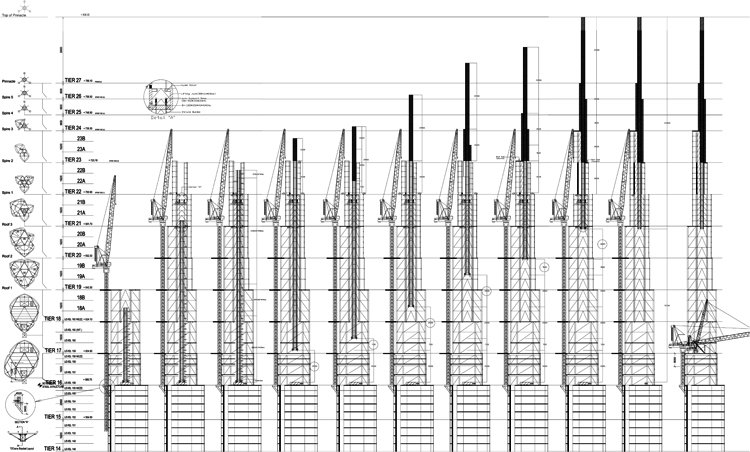
It is one thing to draw a spire that reaches 828 meters into the air and to engineer the structure to support that height, but it is an added level of complication to figure out how it can be constructed.
Burj Khalifa is built of concrete with a jump-form system, up to level 156, where the tower is constructed of structural steel. As this drawing sequence from SOM illustrates, the steel was lifted and erected by a crane and derrick that was attached to the concrete core. The final 136 meters of the spire, a steel pipe weighing 350 tons, had to be assembled in sections within the tower, then jacked up into place. This method recalls the system used in the Chrysler Building in 1929 but at a much larger scale. The following technical description of the erection of the spire prepared and executed by Samsung C & T, was provided by the construction project managers from Turner.
The spire at the Burj Khalifa is comprised of over twenty sections welded together to form a hollow steel structure over 110 meters long (inside the building and exposed). These steel sections were assembled within the main tower structure while it was being erected, and the completed spire pipe was then hydraulically jacked into the final position over the course of eight separate lift cycles. The main construction sequence allowed for various tower structural members to be temporarily left out to accommodate the lifting equipment, which included three hydraulic strand jacks and a series of roller guides. The exposed portion of the spire’s exterior is equipped with stainless steel fins, which maintain the tower’s spiral geometry and optimize the wind flow across the structure.
Construction Process
Breaking Ground
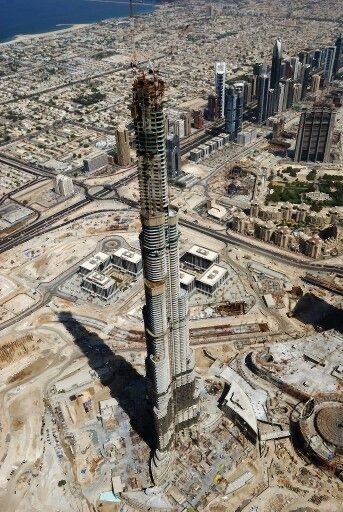
Construction of the Burj Khalifa began in 2004. The foundation required careful planning due to Dubai’s sandy soil. Engineers used reinforced concrete piles driven deep into the ground to provide a stable base. A massive concrete mat was then poured to distribute the building’s immense weight. The foundation alone was a significant engineering challenge, requiring advanced techniques to ensure long-term stability in a desert environment.
Rising to the Sky
The tower was constructed using high-performance concrete pumped to record-breaking heights. Specialized pumps and cooling techniques were necessary to prevent the concrete from cracking in extreme heat. Steel and concrete were used in combination to achieve both strength and flexibility. As the building rose, construction teams followed a carefully planned sequence to ensure efficiency and safety.
- Over 12,000 workers were involved daily during peak construction
- More than 330,000 cubic meters of concrete were used
- The structure contains over 39,000 tons of steel reinforcement
The coordinated effort of engineers, architects, and laborers from around the world made the project possible.
Engineering Challenges and Solutions
Building the Burj Khalifa required overcoming numerous engineering challenges. One of the most significant was the impact of wind forces at extreme heights. Engineers used wind tunnel testing extensively to refine the design and reduce structural stress. Temperature fluctuations in Dubai posed another challenge. Materials expanded and contracted under intense heat, requiring precise calculations and specialized construction methods. Transportation of materials to great heights was also complex. High-speed construction elevators and cranes capable of operating at extreme altitudes were essential to maintaining progress. Water and energy systems had to be designed to function efficiently throughout the entire structure. Advanced pumping systems ensure consistent water supply, while energy-efficient technologies help reduce environmental impact.
Interior Design and Functionality
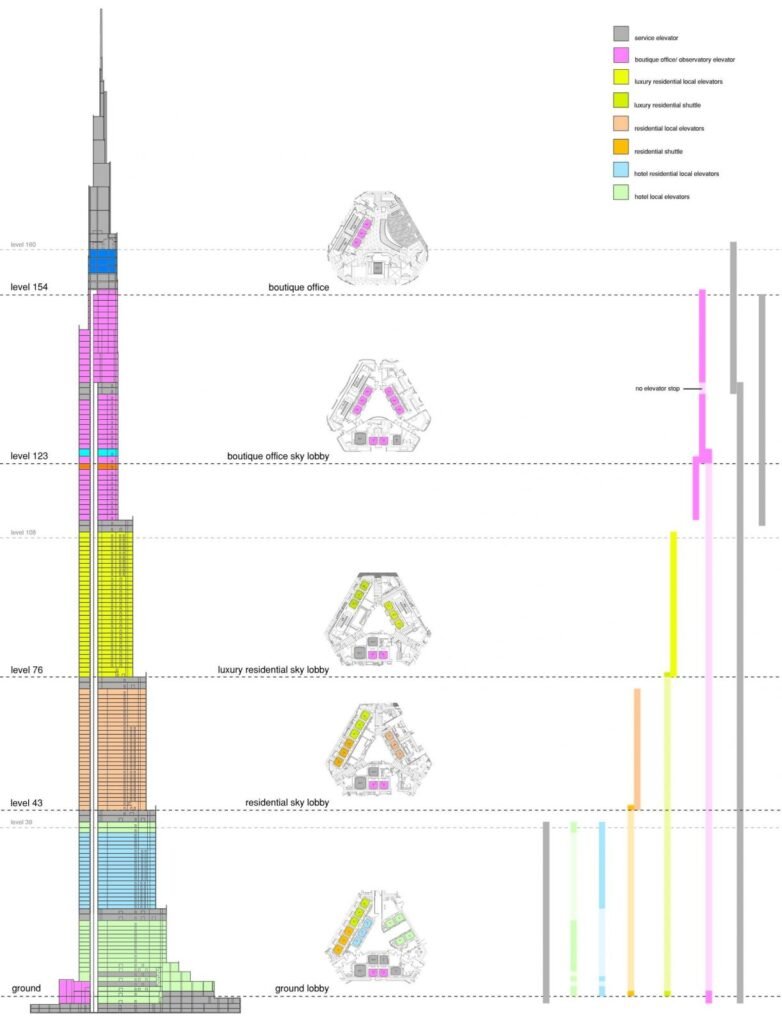
The Burj Khalifa is more than just a tall building—it is a mixed-use development that includes residential apartments, office spaces, and the luxurious Armani Hotel. Each space was carefully designed to reflect elegance and functionality. The interiors feature high-end materials, including marble, glass, and polished stone. The design emphasizes natural light and open spaces, creating an atmosphere of sophistication. Residents and visitors benefit from state-of-the-art amenities, including observation decks, fitness centers, and fine dining establishments. The building also incorporates advanced safety systems and high-speed elevators to ensure comfort and security.
Economic and Cultural Impact
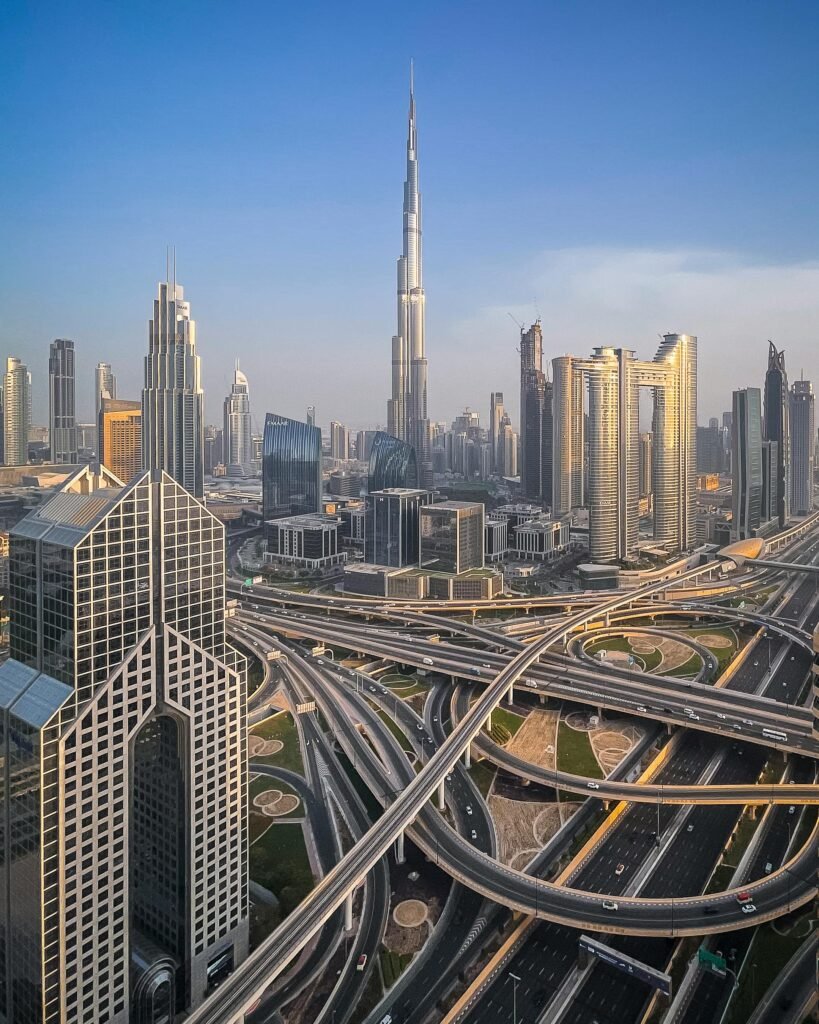
The Burj Khalifa has played a significant role in shaping Dubai’s global identity. It has attracted millions of tourists and investors, contributing to the city’s economic growth. The tower serves as a symbol of ambition and progress, inspiring cities around the world to pursue innovative architectural projects. It has also become a cultural landmark, hosting events, celebrations, and light shows that captivate audiences globally. Its presence has boosted surrounding real estate values and supported the development of Downtown Dubai, transforming the area into a vibrant urban center.

Sustainability and Innovation
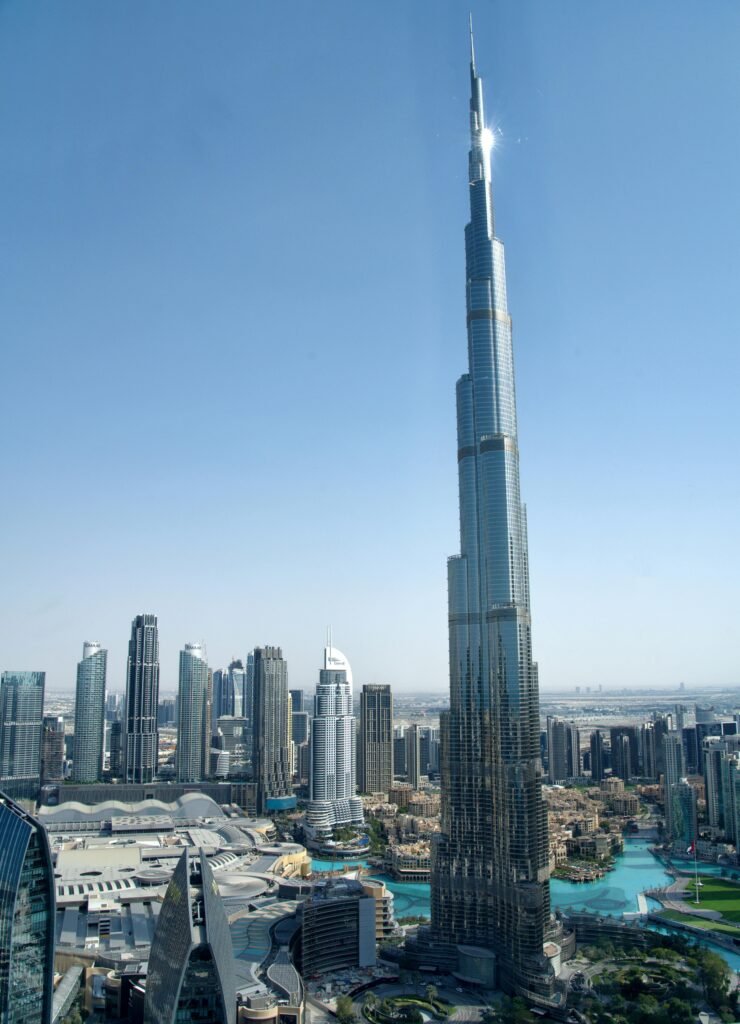
Despite its scale, the Burj Khalifa incorporates several sustainable features. The building uses a condensate collection system that recovers water from air conditioning units, reducing water waste significantly. Energy-efficient lighting and cooling systems help minimize environmental impact, while the building’s orientation and materials reduce heat gain. These innovations demonstrate how modern skyscrapers can balance luxury with environmental responsibility, setting a precedent for future developments.
Completion and Global Recognition
The Burj Khalifa was officially completed in 2010 and inaugurated with a grand ceremony that captured worldwide attention. Initially known as the Burj Dubai, it was renamed in honor of Sheikh Khalifa bin Zayed Al Nahyan. Since its completion, the building has received numerous awards and accolades for its design, engineering, and impact. It continues to hold multiple world records, including the tallest building, highest observation deck, and longest elevator travel distance. The Burj Khalifa remains a testament to what can be achieved through vision, collaboration, and determination.
The making of the Burj Khalifa is a remarkable story of innovation, ambition, and human ingenuity. From its visionary beginnings to its status as a global icon, the tower represents the pinnacle of modern engineering and design. Its construction pushed the boundaries of what was thought possible, setting new standards for skyscrapers worldwide. More than just a building, the Burj Khalifa is a symbol of progress, inspiring future generations to dream bigger and build higher. As cities continue to grow and evolve, the legacy of the Burj Khalifa will remain a benchmark for excellence, reminding the world of the extraordinary achievements made possible through innovation and determination.