Theory & Articles, Blog #08
How Architecture Affects Mental Health
History, Facts, and the Impact of Built Environments on Well‑Being
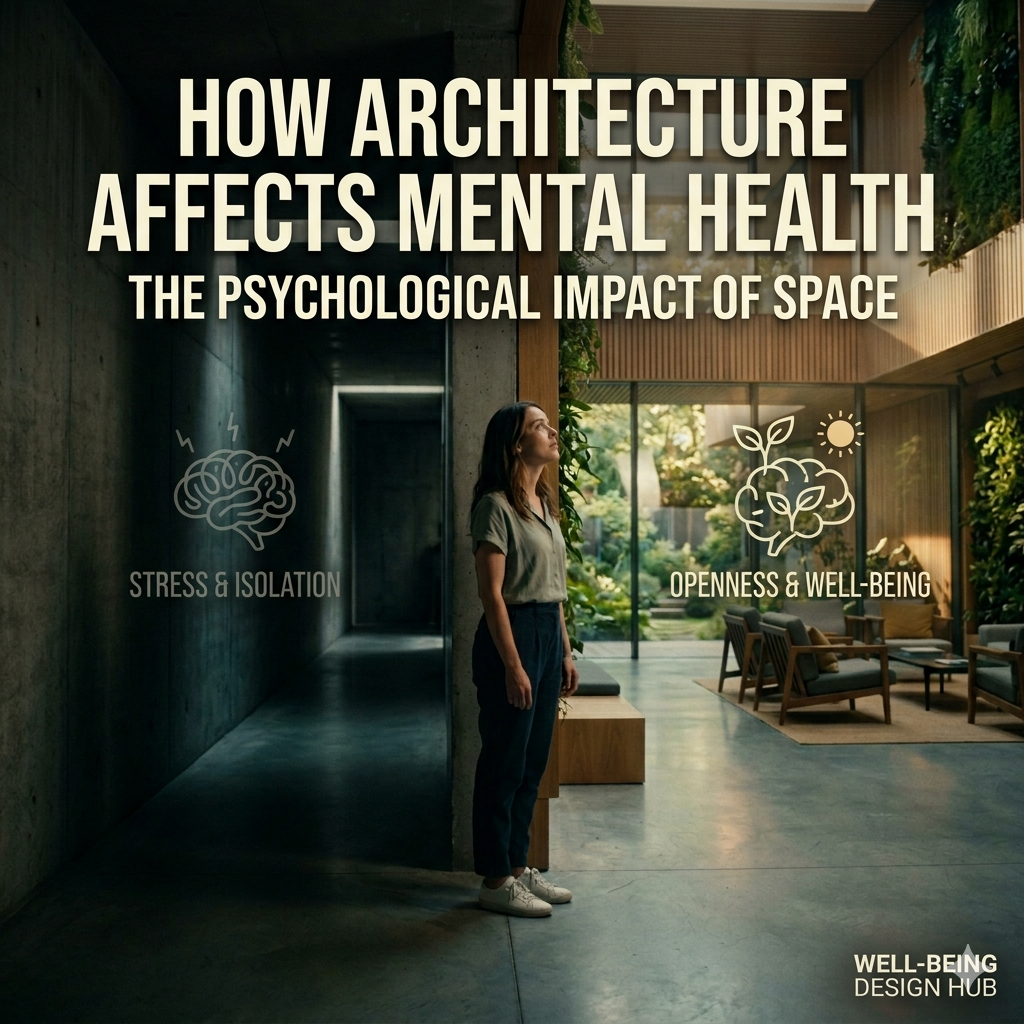
Architecture shapes far more than skylines; it quietly influences how we think, feel, and behave. The spaces we inhabit can calm us or stress us, promote social interaction or isolation, and even affect productivity and long-term mental well-being. As cities grow and lifestyles evolve, understanding the relationship between architecture and mental health has become increasingly important. Thoughtfully designed environments have the potential to support emotional balance, while poorly planned spaces can contribute to anxiety, fatigue, and cognitive strain.
The built environment is a constant presence in our lives, from homes and offices to schools and public places. Every design detail—light, color, layout, materials—plays a role in shaping our psychological response. Architects and designers today are paying closer attention to how their choices can promote mental wellness, creating spaces that do more than function—they nurture.
The Psychological Impact of Space
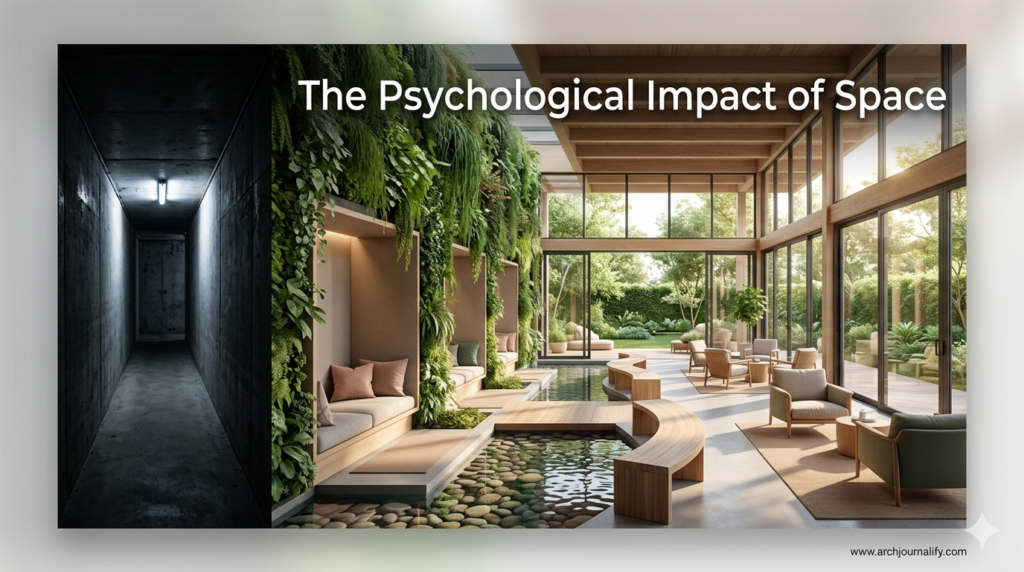
The design of a physical space directly affects how people perceive and interact with their surroundings. Open, clutter-free areas often create a sense of calm, while cramped or chaotic environments can increase stress levels. Spatial organization influences how easily people can navigate a space, which in turn impacts feelings of comfort and control.
High ceilings, for example, are often associated with creativity and openness, while low ceilings can feel more intimate but sometimes restrictive. Similarly, the arrangement of furniture and pathways can either encourage movement and interaction or hinder it. These elements may seem subtle, but their cumulative effect on mental health is significant.
The Role of Natural Light and Ventilation
Natural light is one of the most powerful factors in architectural design affecting mental health. Exposure to daylight helps regulate circadian rhythms, improving sleep patterns and boosting mood. Spaces that lack sufficient natural light can lead to fatigue, irritability, and even symptoms of depression.
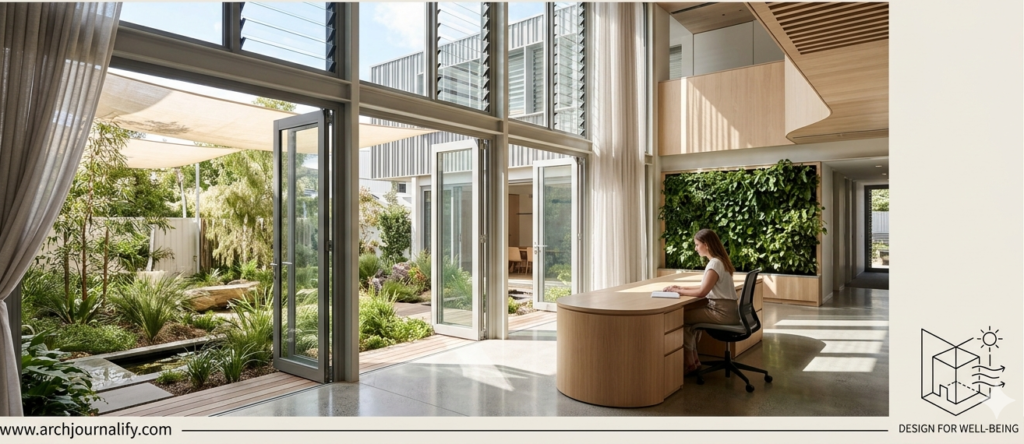
Good ventilation is equally important. Fresh air improves cognitive function and reduces the buildup of indoor pollutants that can affect both physical and mental well-being. Buildings designed with large windows, skylights, and open-air circulation create a healthier, more uplifting environment.
Incorporating access to outdoor views, greenery, and sunlight can make a notable difference in how people feel within a space, especially in workplaces and residential settings.
Color, Materials, and Sensory Experience
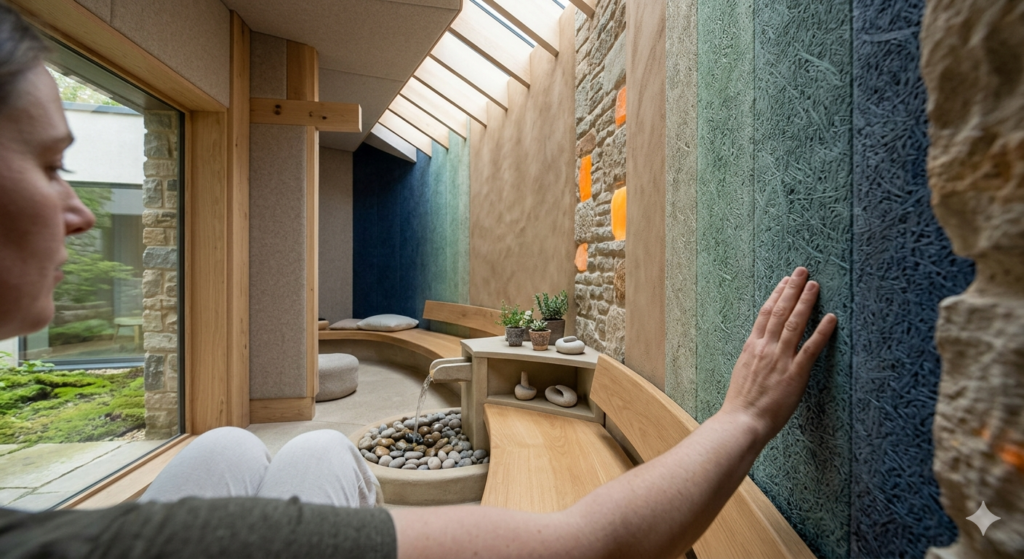
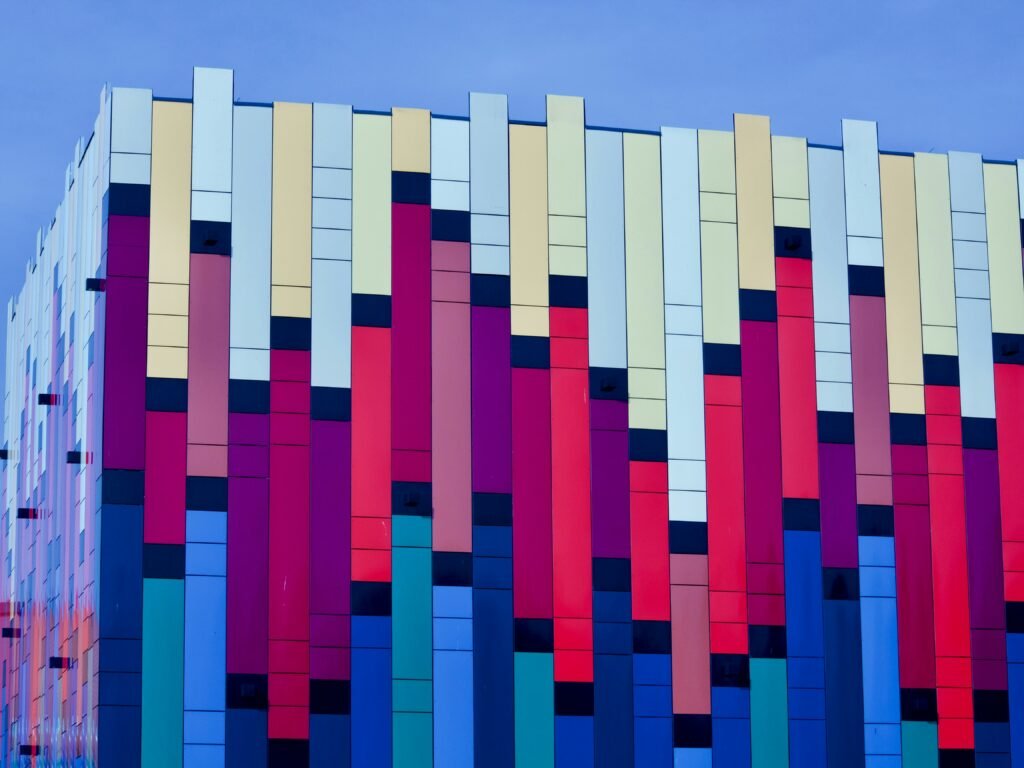
The colors and materials used in architecture have a psychological impact that often goes unnoticed. Soft, neutral tones tend to promote relaxation, while bold, vibrant colors can energize or overstimulate depending on how they are used. The choice of color in a room can subtly influence mood and behavior over time.
Materials also contribute to sensory experience. Natural materials like wood and stone often create a sense of warmth and connection to the environment, while overly synthetic or harsh materials can feel cold and impersonal. Texture, temperature, and acoustics all add layers to how a space is experienced.
For Better Understanding of Color Psychology in Architecture, Click the link!
https://archjournalify.com/the-color-psychology-in-architecture/
Designing with sensory balance in mind ensures that spaces feel comfortable rather than overwhelming, which is essential for maintaining mental well-being.
Biophilic Design and Connection to Nature
Biophilic design emphasizes the human need to connect with nature. Incorporating natural elements into architecture—such as plants, water features, and natural lighting—has been shown to reduce stress, improve mood, and enhance cognitive function.
Green spaces, even small indoor plants or rooftop gardens, can create a calming effect and provide a sense of escape from urban intensity. Access to nature has been linked to lower levels of anxiety and improved overall mental health.
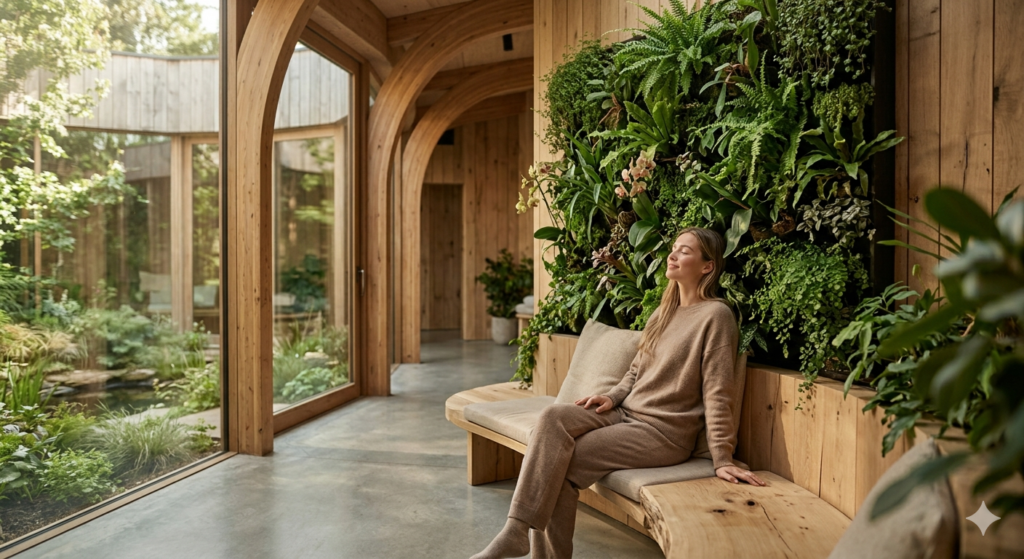
Key aspects of biophilic design include:
- Incorporating indoor plants and green walls
- Maximizing natural light and outdoor views
- Using natural materials and organic shapes
- Creating access to outdoor or semi-outdoor spaces
These elements help bridge the gap between built environments and the natural world, fostering a sense of balance and well-being.
Urban Design and Social Interaction
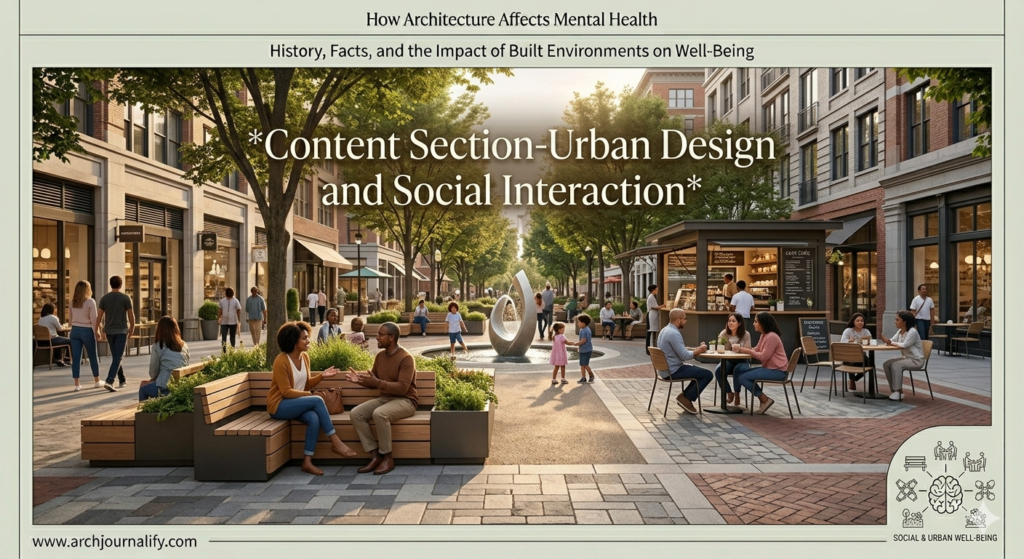
Architecture doesn’t exist in isolation—it plays a critical role in shaping communities. Urban design influences how people interact, connect, and form social bonds. Walkable neighborhoods, accessible public spaces, and well-designed communal areas encourage social engagement, which is vital for mental health.
Conversely, poorly planned environments that lack gathering spaces or prioritize vehicles over people can lead to isolation and reduced community interaction. Social isolation is a known risk factor for mental health issues, including depression and anxiety.
Thoughtful urban planning can create inclusive, vibrant environments that promote both individual well-being and social cohesion.
Workspaces and Productivity
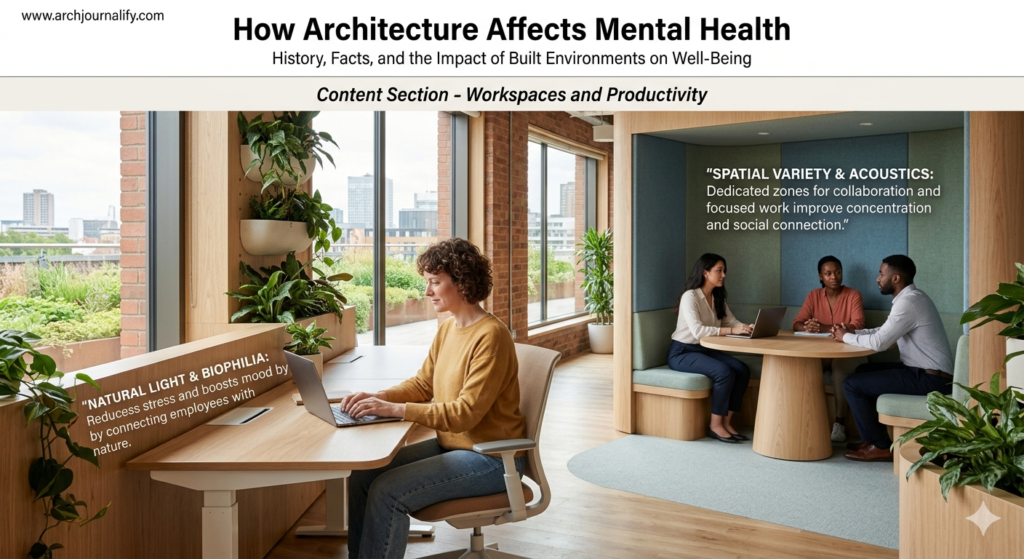
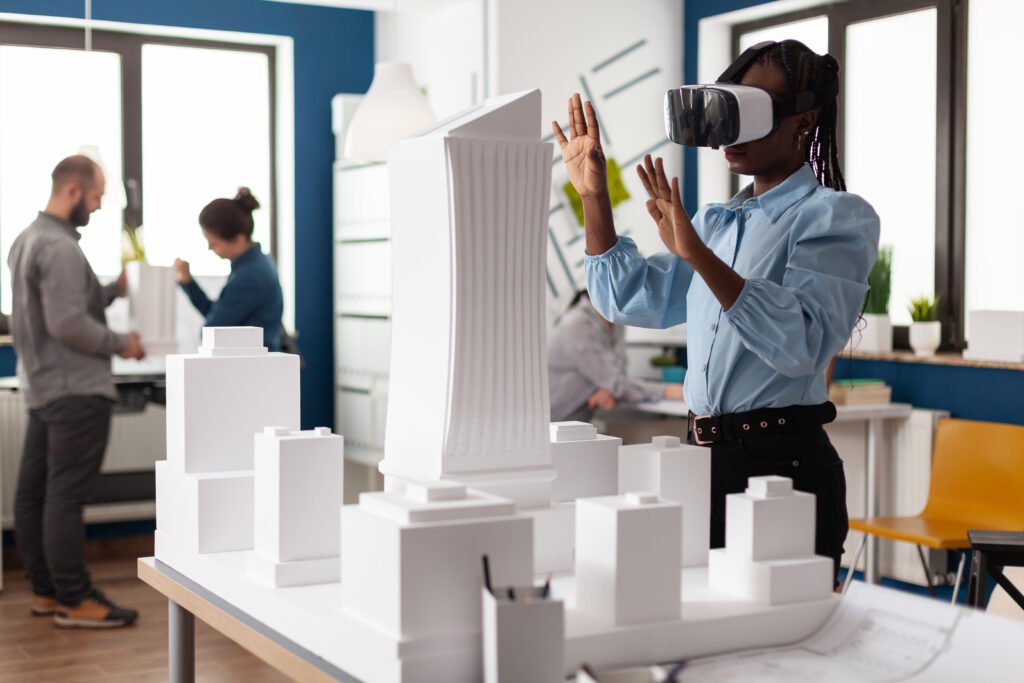
The design of workplaces has a profound effect on mental health and productivity. Environments that balance privacy with collaboration tend to perform best. Open office layouts can encourage teamwork, but without quiet areas, they may also lead to distraction and stress.
Ergonomic design, access to natural light, and flexible workspaces can reduce fatigue and improve focus. Incorporating break areas and quiet zones allows employees to recharge, which is essential for sustaining mental energy throughout the day.
Employers are increasingly recognizing that investing in thoughtful architectural design leads to healthier, more productive teams.
Residential Design and Emotional Well-Being
Homes are deeply personal spaces that significantly influence emotional health. A well-designed home provides comfort, security, and a sense of identity. Factors such as layout, lighting, and noise control all contribute to how a space feels.
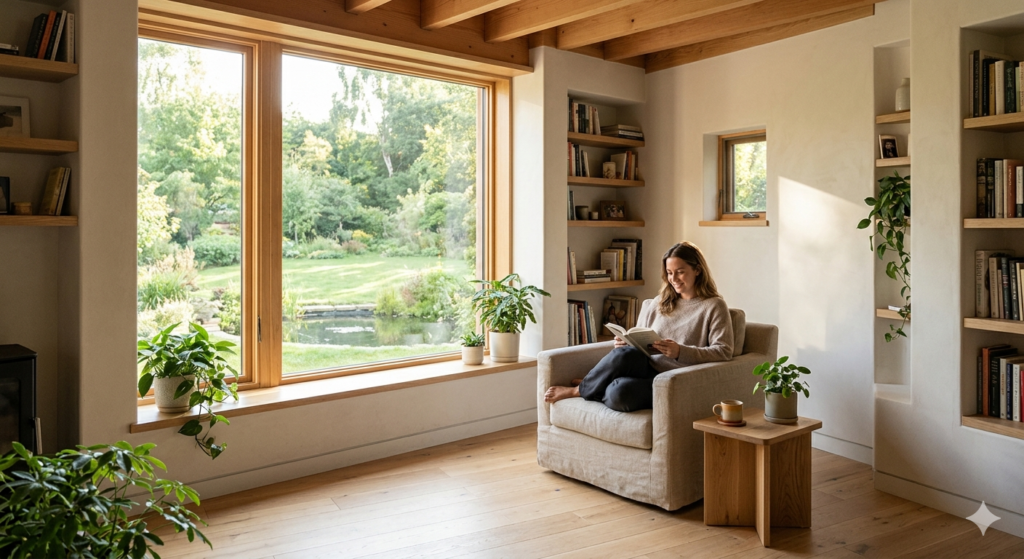
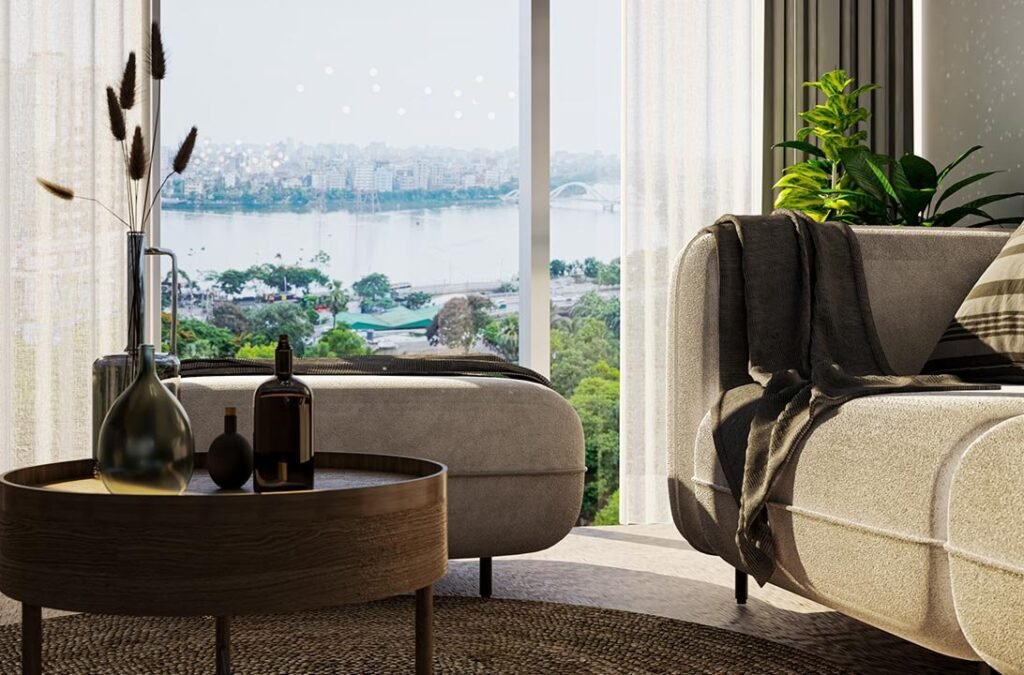
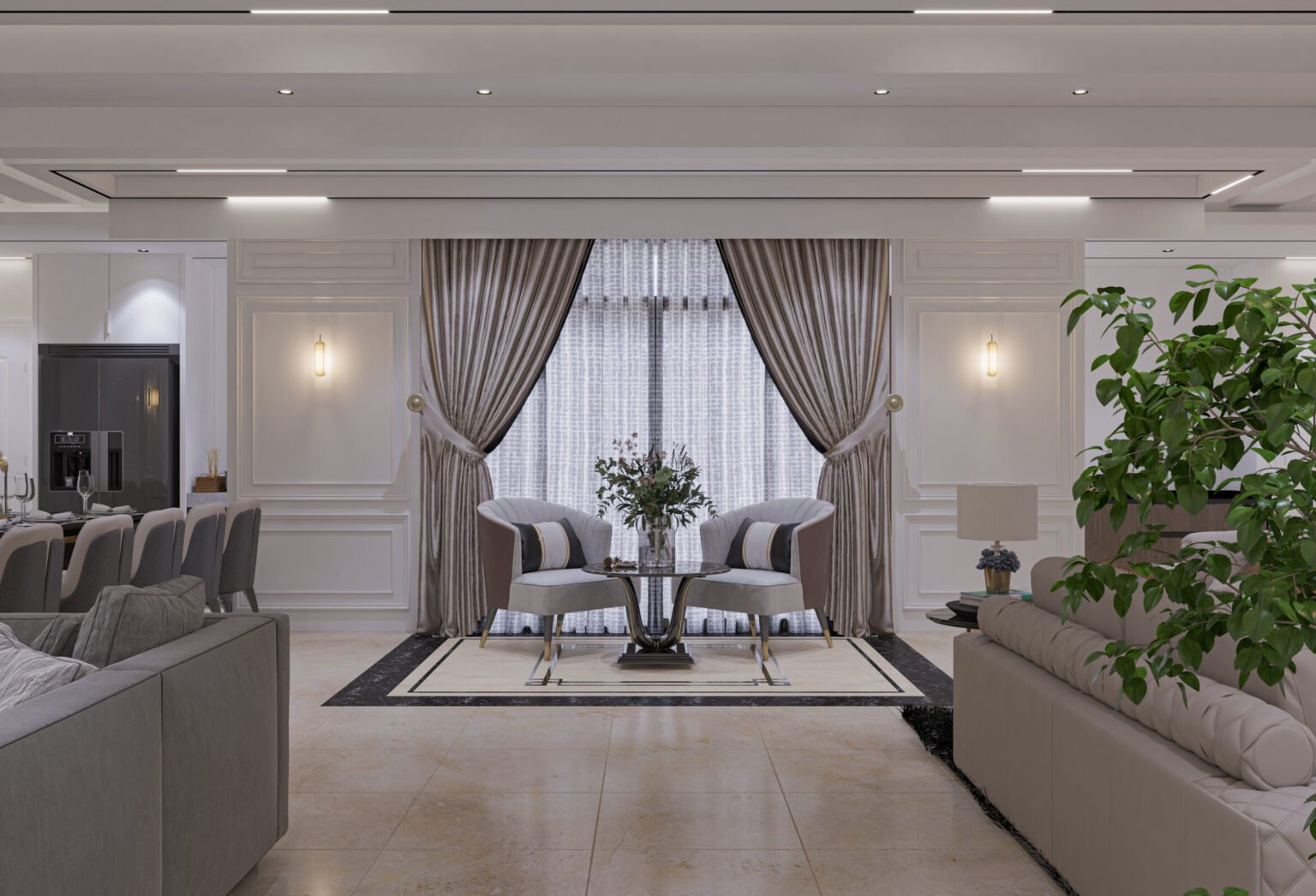
Private areas for relaxation, combined with open spaces for social interaction, help create a balanced living environment. Access to natural light, ventilation, and outdoor areas such as balconies or gardens further enhances well-being.
Clutter-free, organized environments can also reduce stress and improve mental clarity, making residential design an essential component of overall mental health.
The Future of Mental Health-Centered Architecture
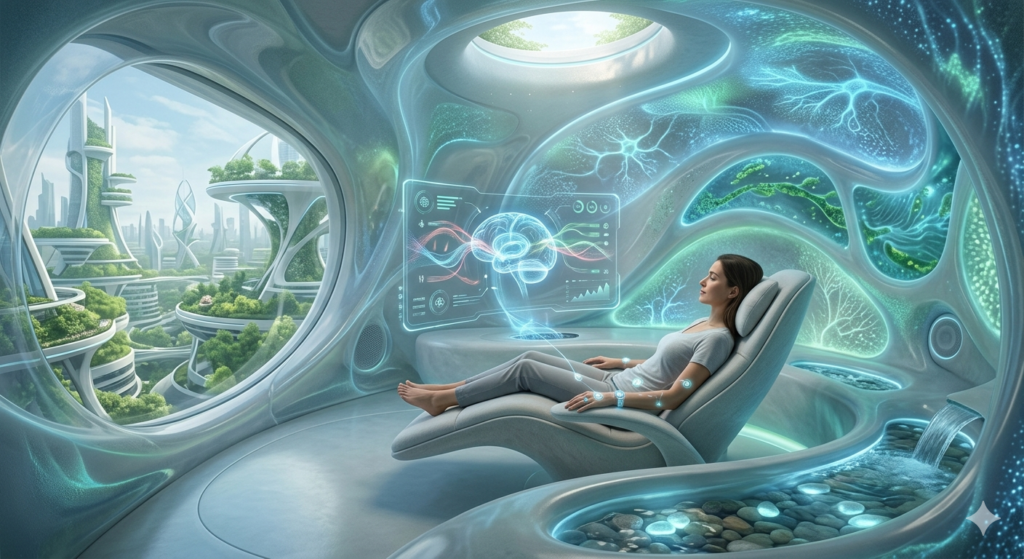
As awareness grows, architecture is increasingly being used as a tool to support mental well-being. Designers are integrating research from psychology and neuroscience to create spaces that actively promote emotional health.
Smart buildings, sustainable materials, and adaptive designs are shaping the future of architecture. These innovations aim to create environments that are not only efficient but also responsive to human needs.
Future trends include:
- Wellness-focused building certifications
- Adaptive lighting systems that mimic natural cycles
- Increased integration of green spaces in urban areas
- Designs that prioritize inclusivity and accessibility
The goal is to move beyond aesthetics and functionality, creating spaces that actively contribute to healthier, happier lives.
A Simple Guide to Experiencing Architecture with Well-Being in Mind
Experiencing architecture through the lens of mental health can deepen awareness of how spaces affect us. Whether visiting a new city or evaluating your surroundings, small observations can reveal a lot about design and its psychological impact.
Consider the following approach during your next architectural tour:
- Notice how natural light enters and moves through the space
- Observe your emotional response to colors and materials
- Pay attention to airflow and overall comfort
- Evaluate how the space encourages or limits movement and interaction
- Look for elements of nature or connections to the outdoors
By becoming more conscious of architectural elements, individuals can make better choices about the spaces they live, work, and spend time in. Ultimately, architecture is not just about buildings—it is about creating environments that support the human mind and enhance quality of life.