Analysing Master's, Blog #01
Books on Louis I. Kahn’s Projects
Louis I. Kahn’s Best Books
Louis I. Kahn remains one of the most influential architects of the 20th century, known for his monumental designs, poetic use of light, and philosophical approach to architecture. His projects, including the Salk Institute, the Kimbell Art Museum, and the National Assembly Building of Bangladesh, continue to inspire architects, students, and design enthusiasts worldwide. For those looking to explore his work in depth, a carefully selected set of books offers valuable insights into his design philosophy, project execution, and enduring legacy.
Understanding Louis I. Kahn Through Literature
Books on Louis I. Kahn’s projects are more than visual showcases; they provide a window into his thinking process, his reverence for materials, and his exploration of space and light. These texts often combine architectural drawings, sketches, photographs, and essays, offering a comprehensive understanding of his work.
Whether you are a student of architecture or a curious reader, these books help decode Kahn’s distinctive style, characterized by geometric precision, monumental scale, and spiritual depth. Many publications also include commentary from contemporaries and scholars, enriching the narrative with critical interpretations.
Essential Books on Louis I. Kahn’s Projects
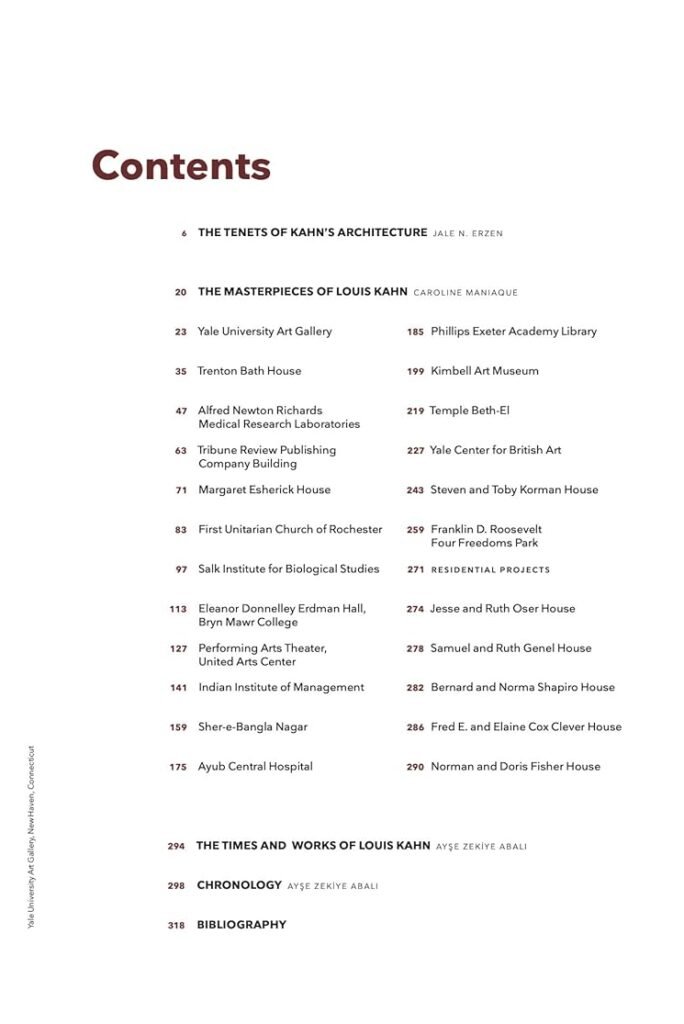
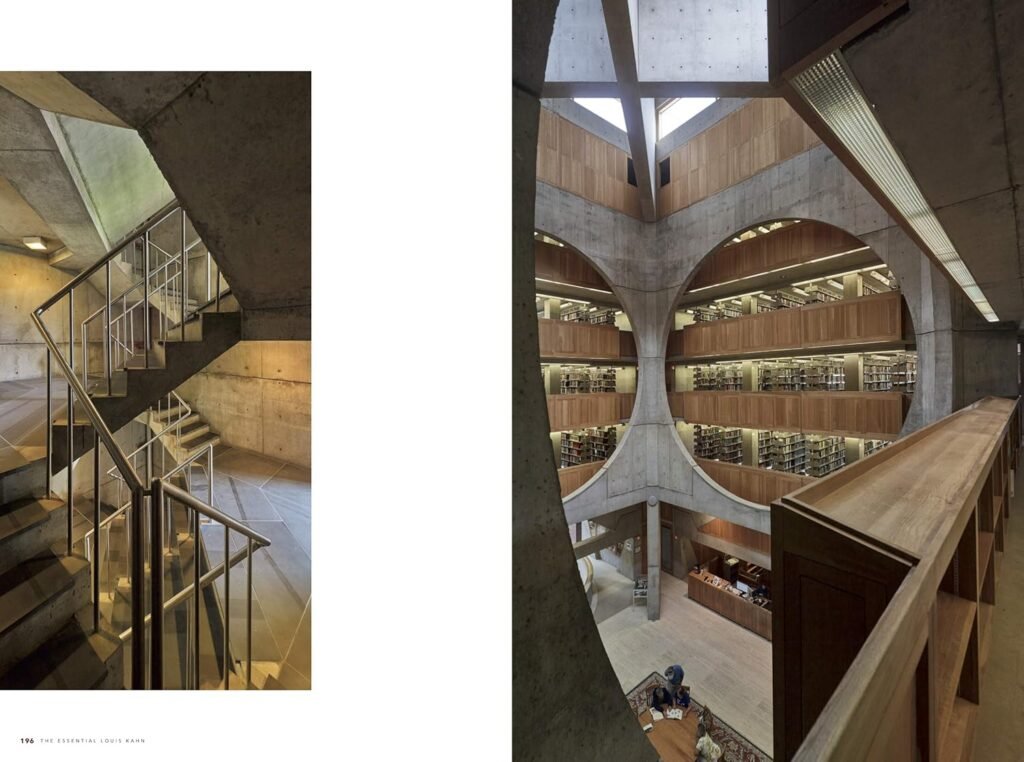
This comprehensive volume is often considered the definitive resource on Kahn’s architecture. It documents his entire body of work, from early residential projects to monumental institutional buildings. Richly illustrated with photographs, plans, and sketches, the book provides a chronological understanding of his evolution as an architect.
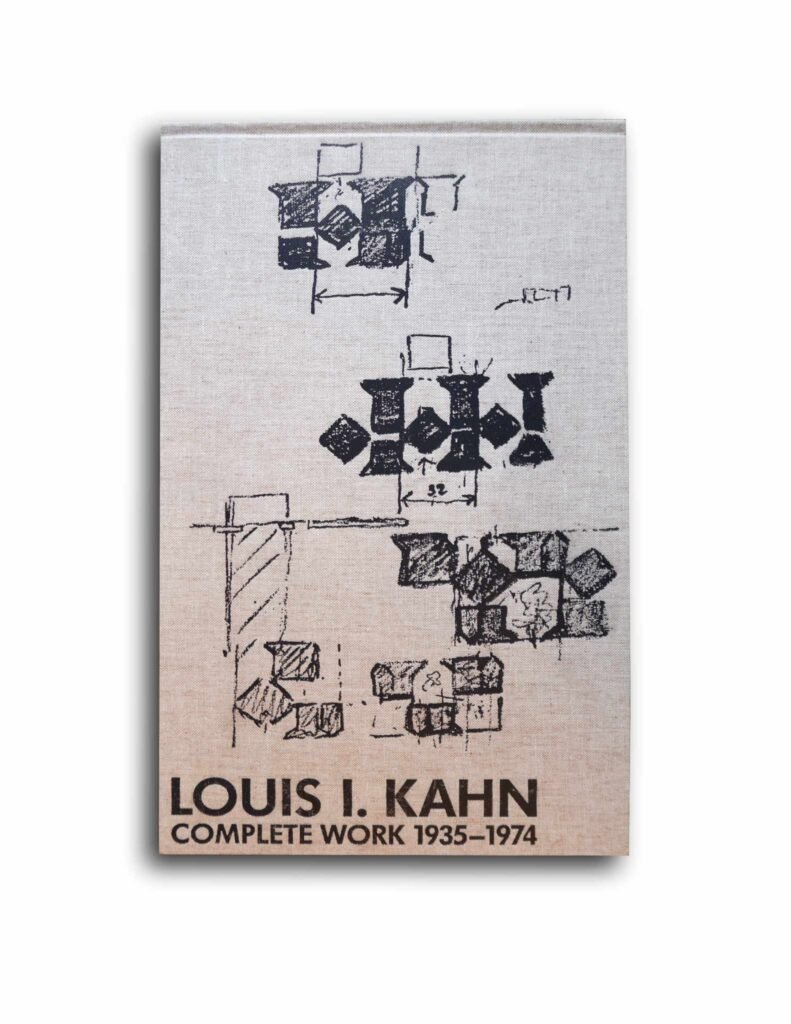
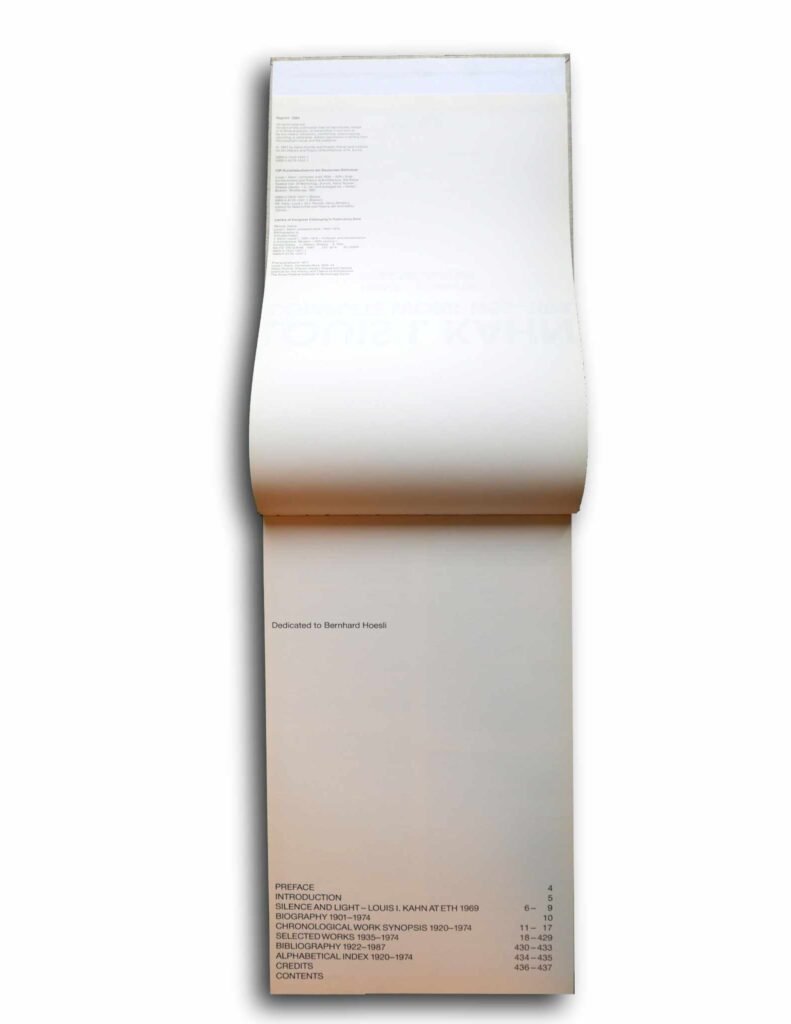
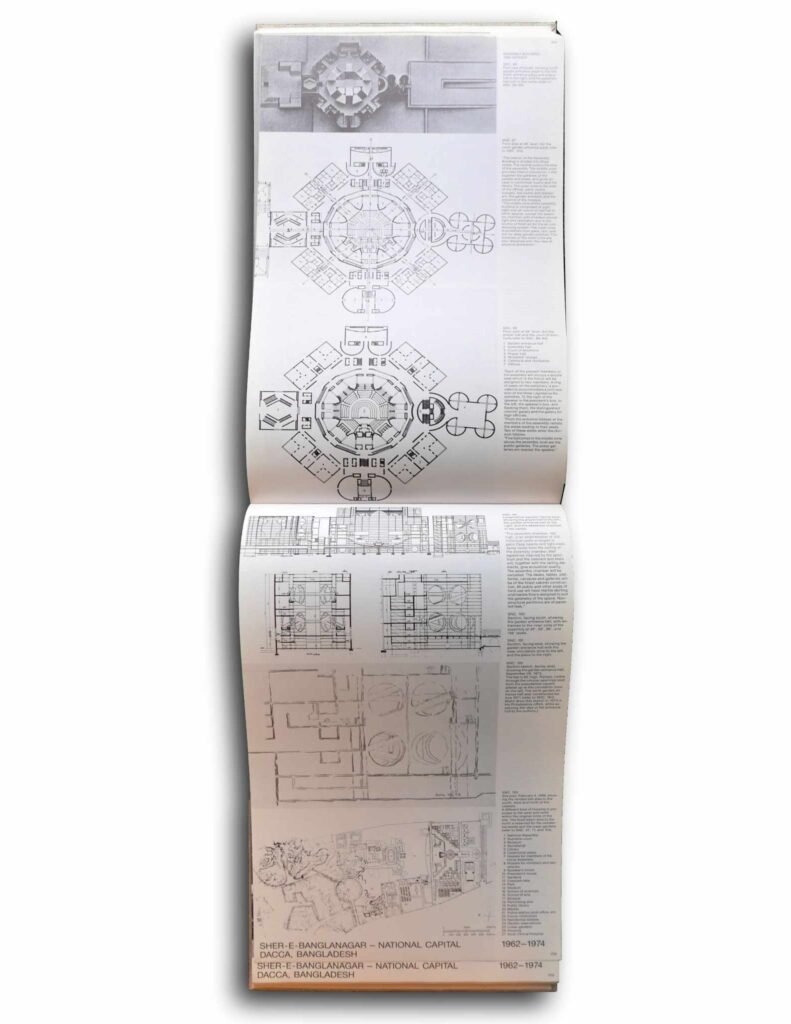
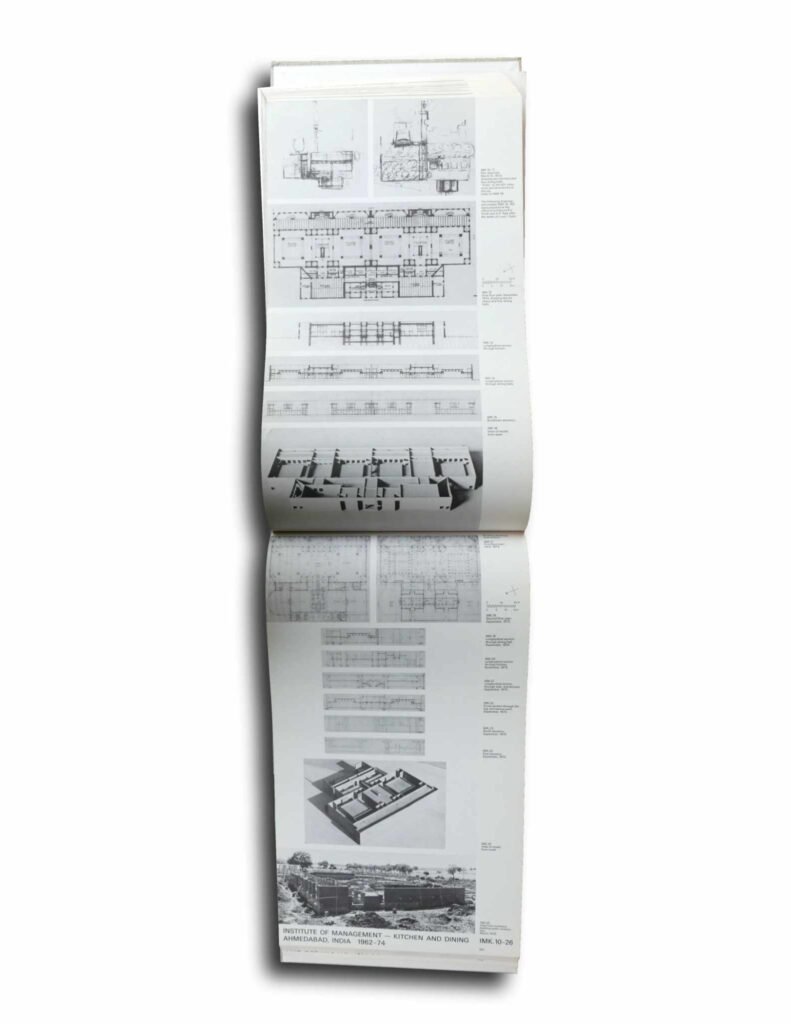
Readers can explore how Kahn’s design principles matured over time, particularly his fascination with natural light and structural form. The inclusion of detailed project descriptions makes this book invaluable for both academic study and professional reference.
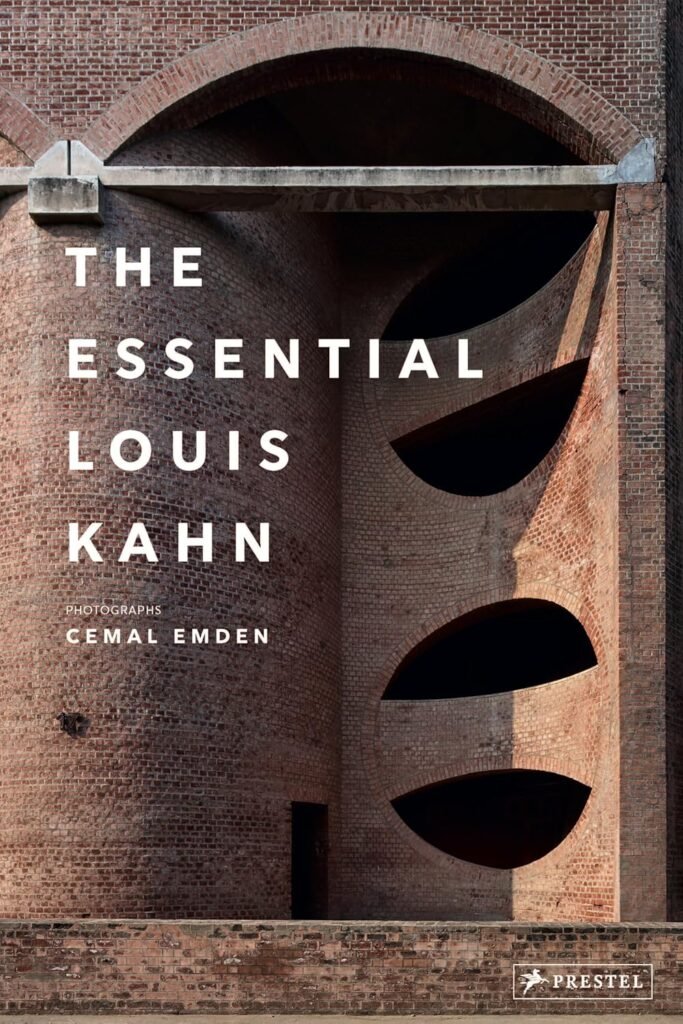
While many books focus on visual documentation, this collection highlights Kahn’s own words. It compiles his lectures, writings, and interviews, offering direct insight into his philosophy. Understanding his thoughts on “what a building wants to be” provides a deeper appreciation of his projects.
This book is particularly useful for readers who want to connect theory with practice, as it bridges the gap between conceptual ideas and built works.
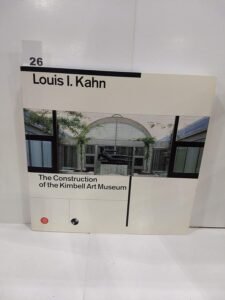
The Kimbell Art Museum in Fort Worth, Texas, is one of Kahn’s most celebrated projects. This book examines its design and construction in meticulous detail. From the iconic cycloid vaults to the innovative daylighting system, every aspect is explored.
Through photographs and technical drawings, readers gain insight into how Kahn balanced engineering precision with artistic vision, making the museum a masterpiece of modern architecture.
The Notebooks and Drawings of Louis I. Kahn
The Notebooks and Drawings of Louis I. Kahn, originally published in 1962 and long out of print, was the first book on the architect to feature Kahn’s own images and words–and it was Kahn’s favorite book on his work. It includes his early sketches, reproduced at full size, from his European travels in the 1950s as well as renderings of the designs for several of his notable buildings, along with unpublished speeches and excerpts from lectures, radio broadcasts, and other sources.
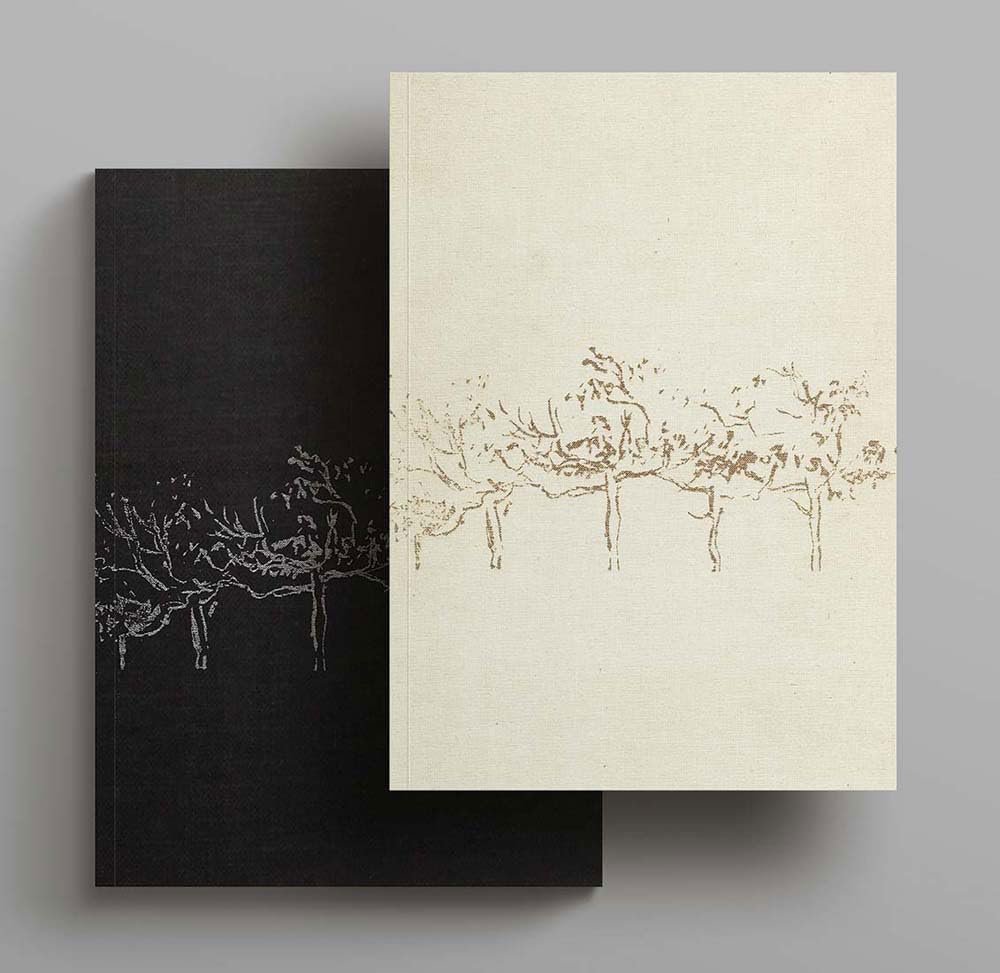
In this magnificent sleeve-encased two-book set, a facsimile of the original publication is accompanied by an illustrated Reader’s Guide that features essays and commentary by writers such as scholar William Whitaker and Pulitzer Prize-winning critic Paul Goldberger, family members, and fellow architects such as Frank Gehry, Tadao Ando, and Denise Scott Brown that contextualize the enormous impact and continuing legacy of one of the twentieth century’s most influential architects.
Key Themes in Kahn’s Architectural Work
Light as a Building Material
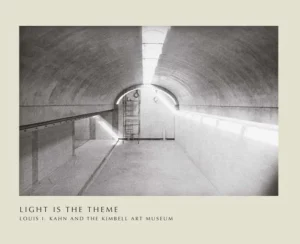
Kahn famously treated light as an essential component of architecture. His buildings, such as the Kimbell Art Museum and the Salk Institute, demonstrate a masterful use of natural light to create emotional and spatial impact. Books on his projects often analyze how he manipulated light to shape interior experiences.
Monumentality and Silence & Material Honesty
Kahn’s work is often described as monumental yet serene. His structures convey a sense of timelessness, drawing inspiration from ancient ruins and classical architecture. This theme is explored extensively in architectural literature, highlighting how his buildings evoke both strength and tranquility.
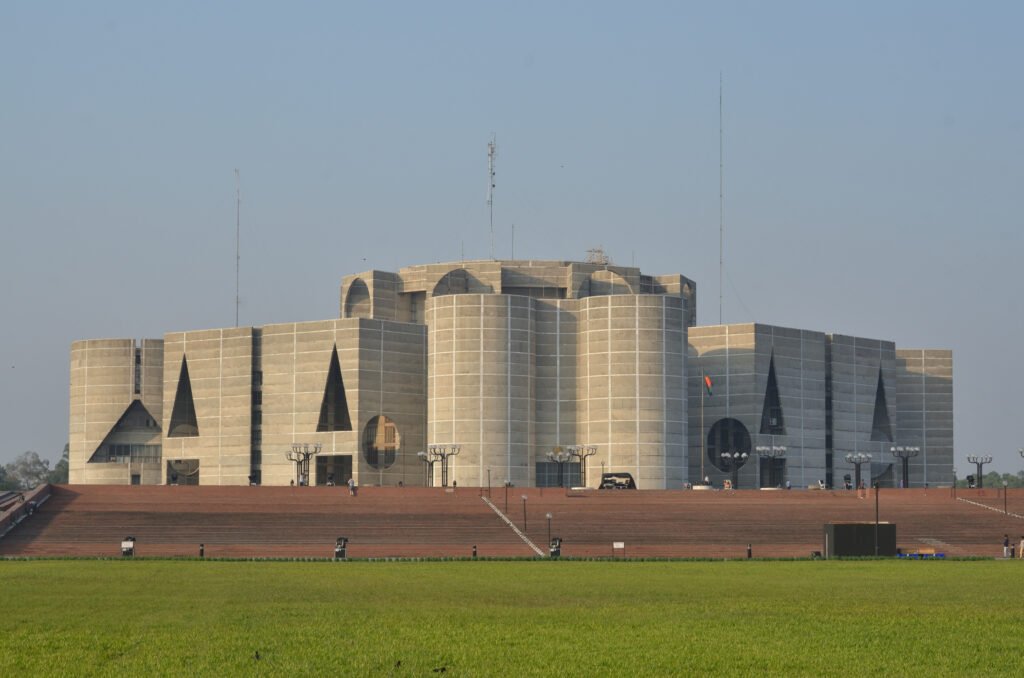
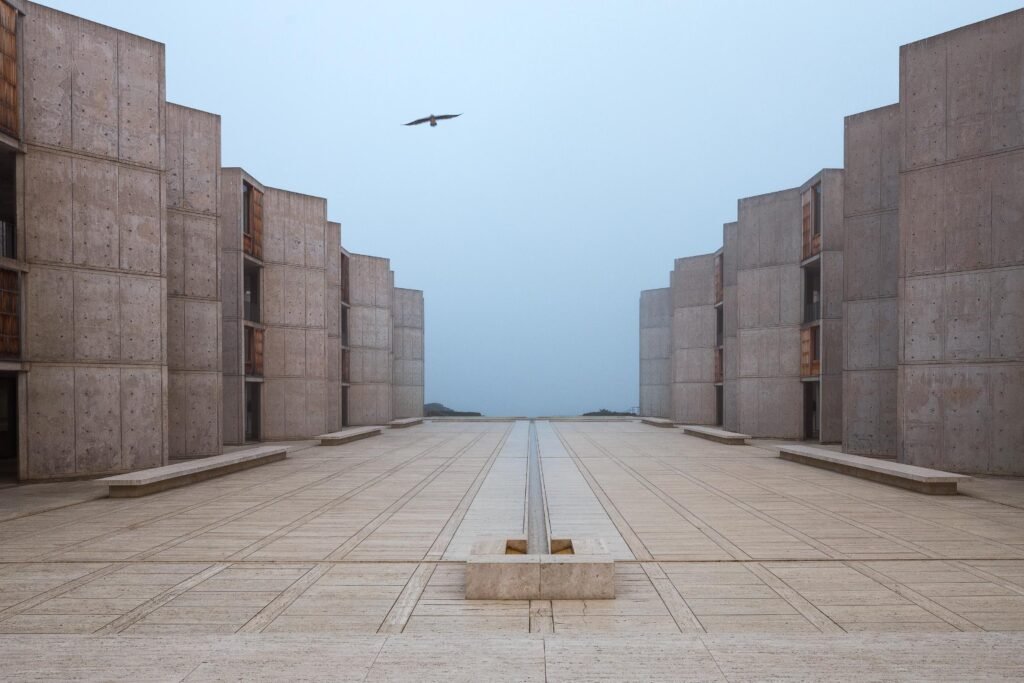
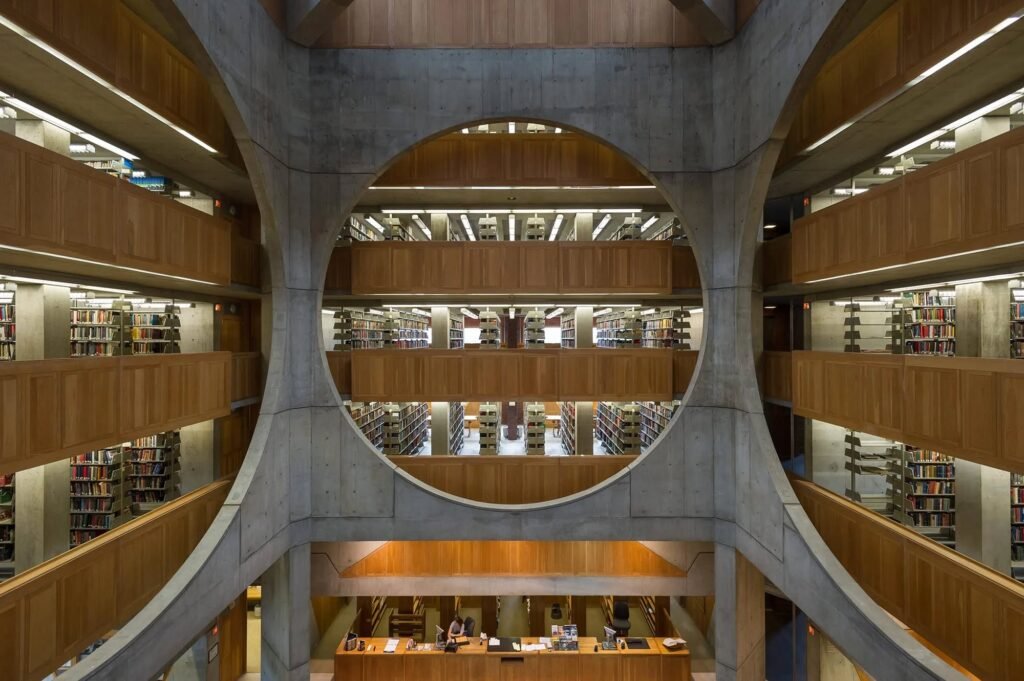
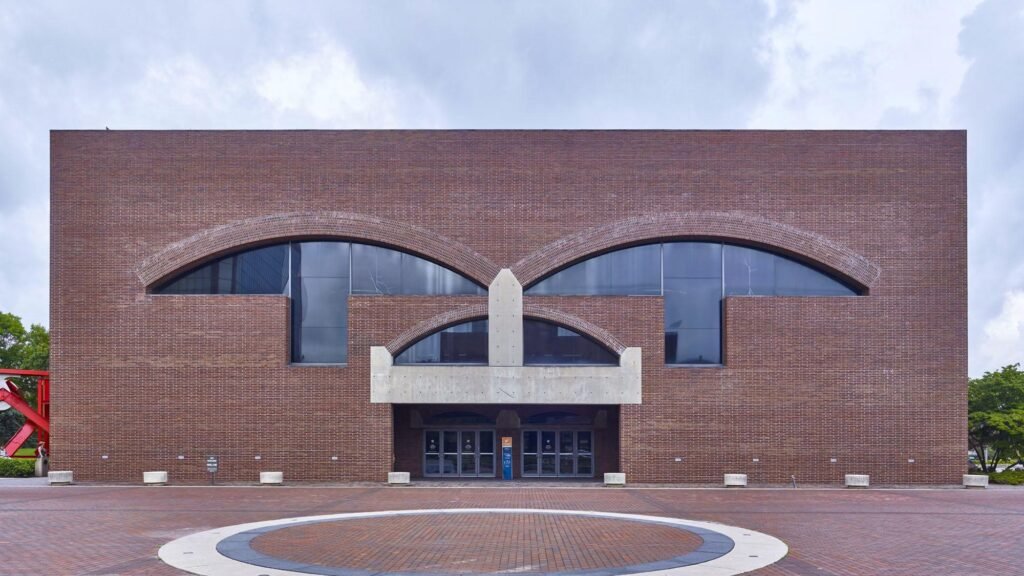
Kahn believed in expressing materials in their purest form. Concrete, brick, and stone are not concealed but celebrated. Books on his projects frequently discuss how this approach contributes to the authenticity and longevity of his designs.
Why These Books Matter for Architects and Students
Studying Louis I. Kahn through books allows readers to engage deeply with architectural concepts that go beyond aesthetics. His work challenges conventional thinking and encourages a philosophical approach to design.
For students, these books serve as essential academic resources, offering case studies, design analysis, and historical context. For practicing architects, they provide inspiration and practical lessons in integrating structure, function, and beauty.
- They provide detailed project documentation and analysis.
- They showcase the evolution of modern architecture.
- They inspire innovative thinking and creativity.
- They connect theoretical ideas with real-world applications.
Exploring Kahn’s Iconic Projects Through Books
Many of Kahn’s most celebrated works are thoroughly documented in architectural publications. The Salk Institute in California, for example, is frequently analyzed for its harmonious relationship with the surrounding landscape and its iconic central courtyard.
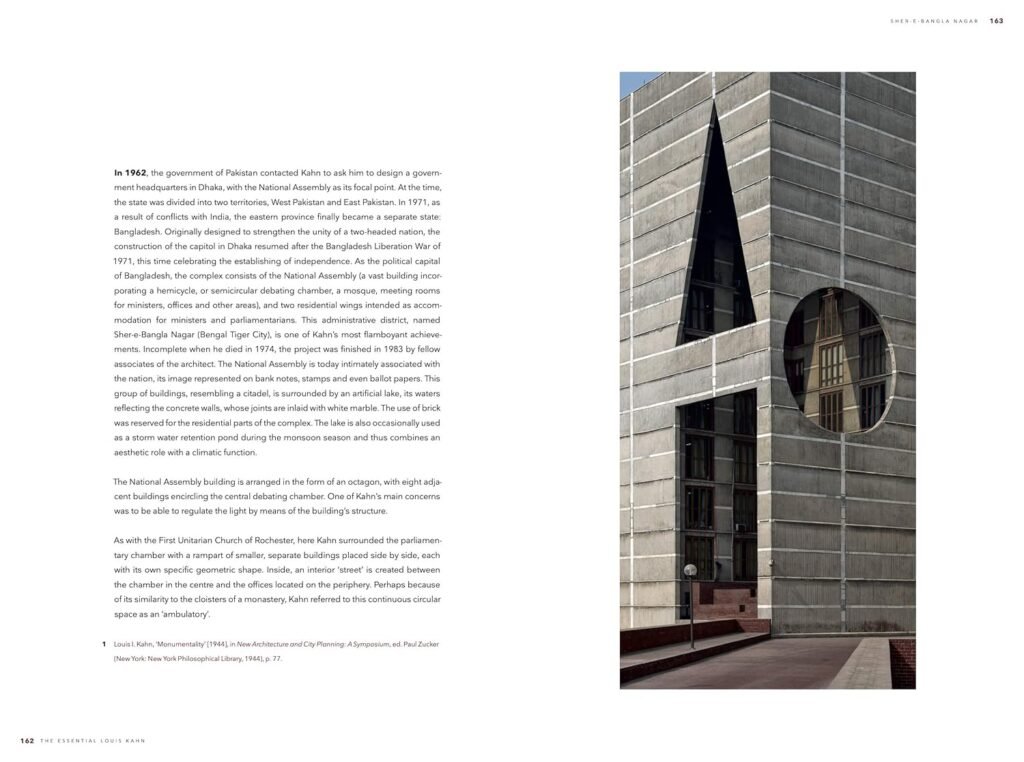
The National Assembly Building in Dhaka is another focal point in many books, admired for its bold geometry and cultural significance. Through detailed studies, readers can understand how Kahn adapted his principles to different contexts and functions.
These project-focused books often include archival materials, construction photographs, and expert essays, making them invaluable for in-depth exploration.